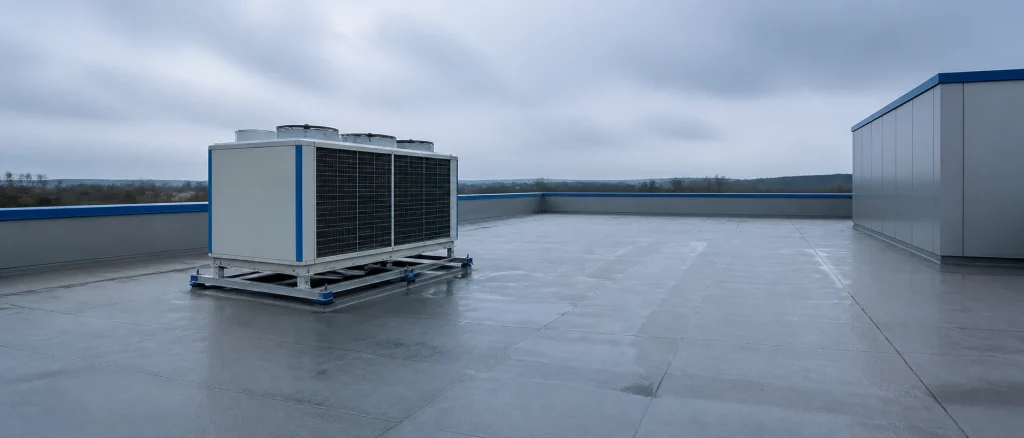
Condenser placement can look like a small installation detail, but it has a direct effect on how well a commercial refrigeration system performs every day.
Good placement helps the system reject heat efficiently, maintain stable temperatures and stay easier to service. Poor placement can make even good equipment work harder than it should.
Why condenser position matters
A refrigeration system moves heat from one place to another. The evaporator absorbs heat from the chilled space, while the condenser releases that heat outside the refrigerated area. If the condenser cannot release heat effectively, the whole system has to work harder to achieve the same result.
This is why placement matters so much. A condenser that has clear air movement, sensible clearance and a practical route for pipework gives the system a stronger starting point. It can reject heat more consistently, which supports stable product temperatures and smoother operation.
In commercial refrigeration, condenser placement should be considered alongside the duties of the system, the expected heat load, the environment around the equipment and future maintenance access. It is not just a question of where the unit will fit. It is about whether that position will still support reliable performance when the business is busy, the ambient temperature rises or several systems are operating at once.
For buyers, the key point is simple. A well chosen condenser position protects the investment in the equipment. It helps the system do its job without unnecessary strain and gives engineers a practical layout to inspect, service and maintain over time.
Airflow is the first priority
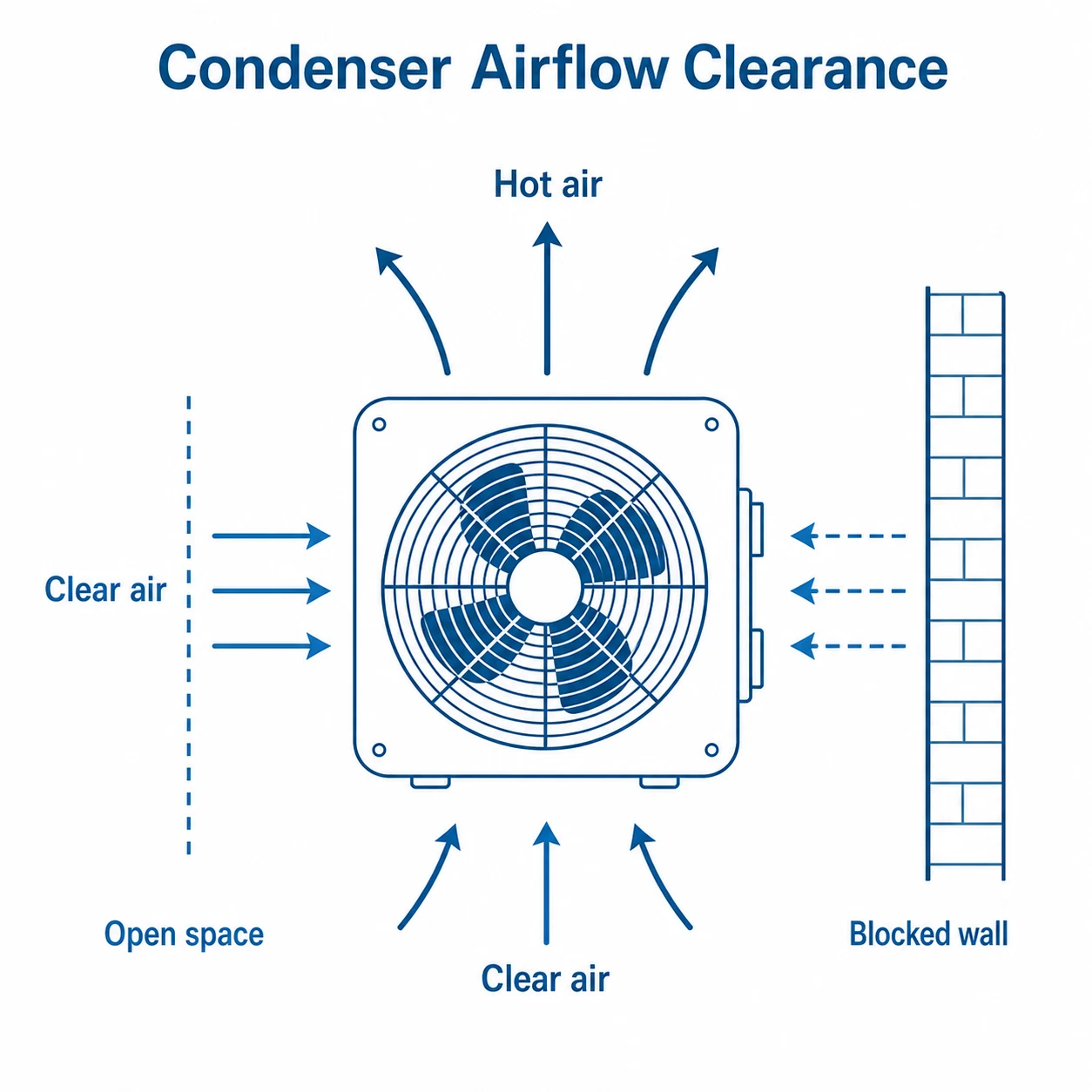
Condensers need air. More accurately, they need a steady supply of suitable air and enough space to discharge warm air away from the coil. When airflow is restricted, warm air can recirculate back through the condenser. This raises condensing temperature and pressure, which reduces efficiency and can lead to avoidable reliability issues.
Common airflow concerns include walls too close to the unit, obstructions around the discharge path, multiple condensers blowing warm air towards each other and enclosed areas where heat builds up. Even when a condenser appears to have space around it, the direction of airflow still needs to be considered carefully.
The right solution depends on the system and setting, but the principles are consistent. The condenser should be able to draw in air freely, reject heat cleanly and operate without fighting against its surroundings. Where several units are installed, their combined heat rejection also needs to be considered, not just each unit in isolation.
Airflow problems often show up as higher running costs, nuisance faults, unstable temperatures or components working under greater stress. If a system already shows warning signs, it is worth comparing the symptoms with wider guidance on commercial refrigeration system failure signs.
Roof access and service space affect reliability
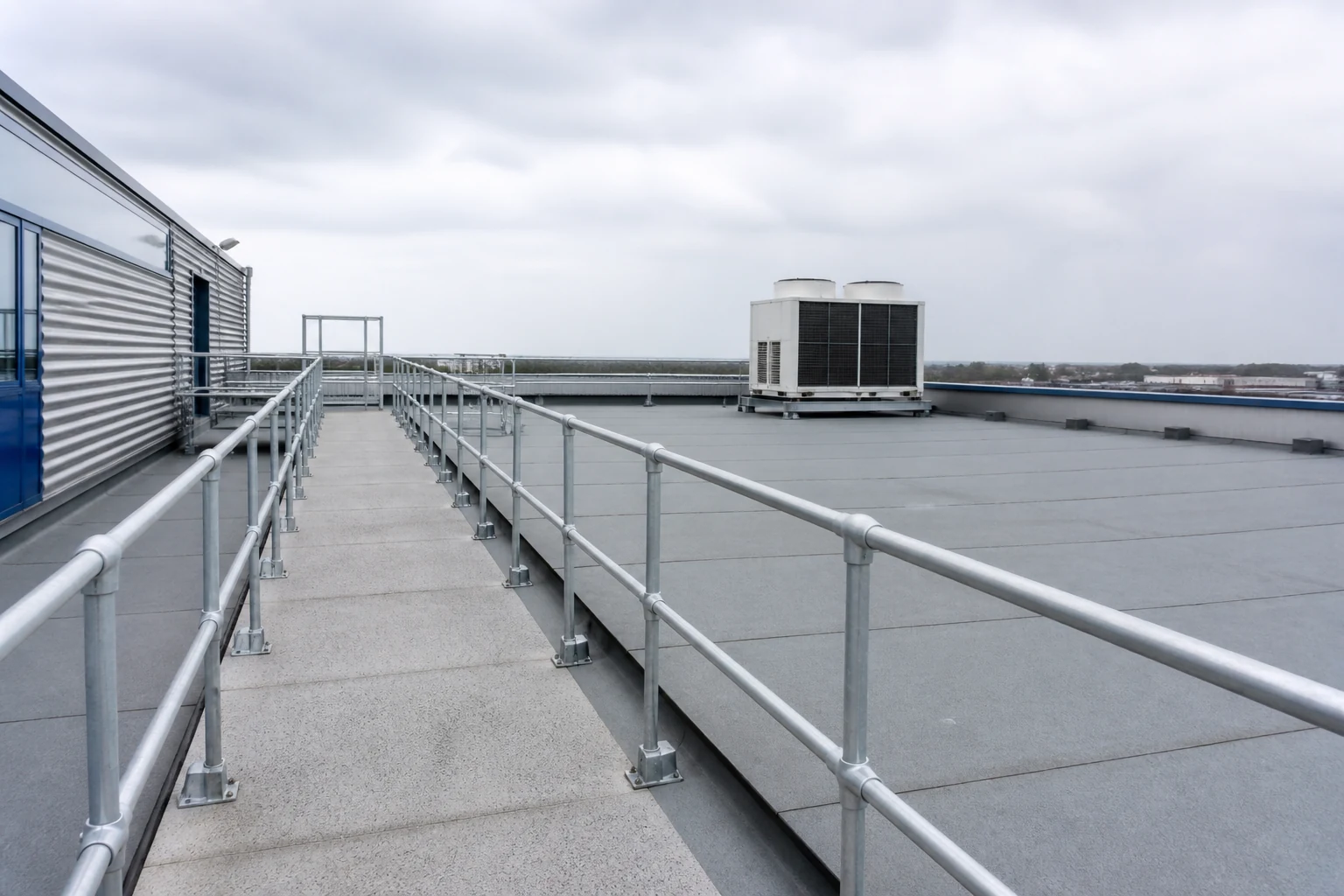
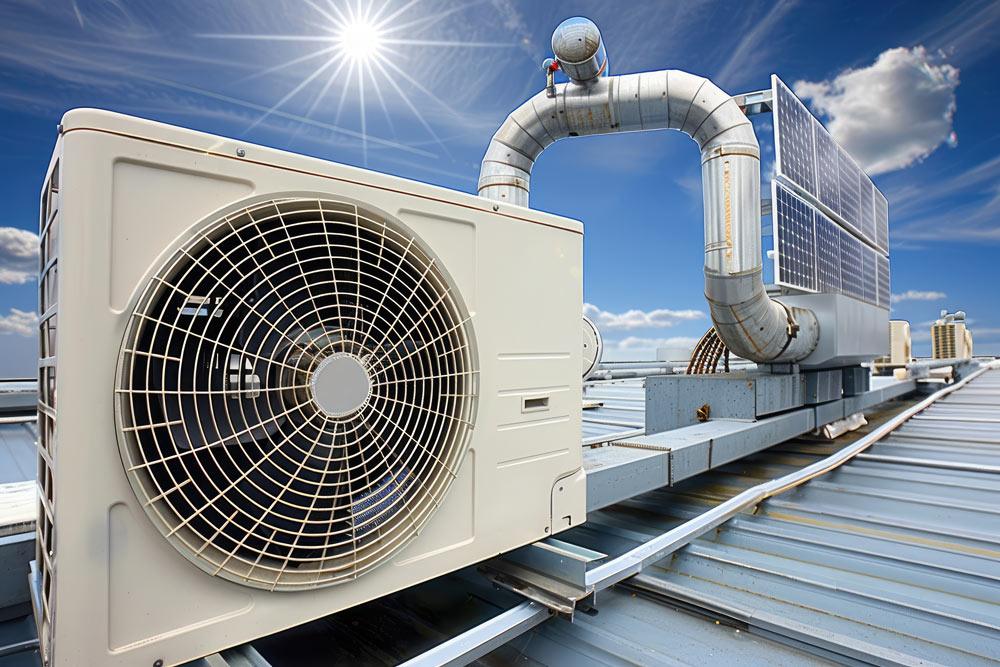
Rooftop condenser positions are common because they can keep heat rejection equipment away from working areas and often provide useful open air conditions. However, roof placement still needs careful thought. Safe access, suitable support, weather exposure, drainage and service space all matter.
Engineers need enough room to inspect coils, check electrical components, test pressures, clean where needed and replace parts without working in awkward or unsafe positions. If a condenser is difficult to reach, routine care becomes less efficient and faults can take longer to investigate. A good installation makes future servicing straightforward from the start.
Access should also be considered for equipment movement. Condensers, fan assemblies and larger components may eventually need replacement. A position that only works on day one can cause avoidable disruption later if there is no practical way to bring parts in or out.
For businesses planning new refrigeration equipment, it is worth asking how the condenser will be accessed for routine maintenance, fault diagnosis and future repair. This is part of good ownership, not an afterthought. A clear maintenance plan should sit alongside the installation design, and guidance on what industrial refrigeration maintenance should include can help buyers understand what engineers are likely to check.
Pipework routes shape performance
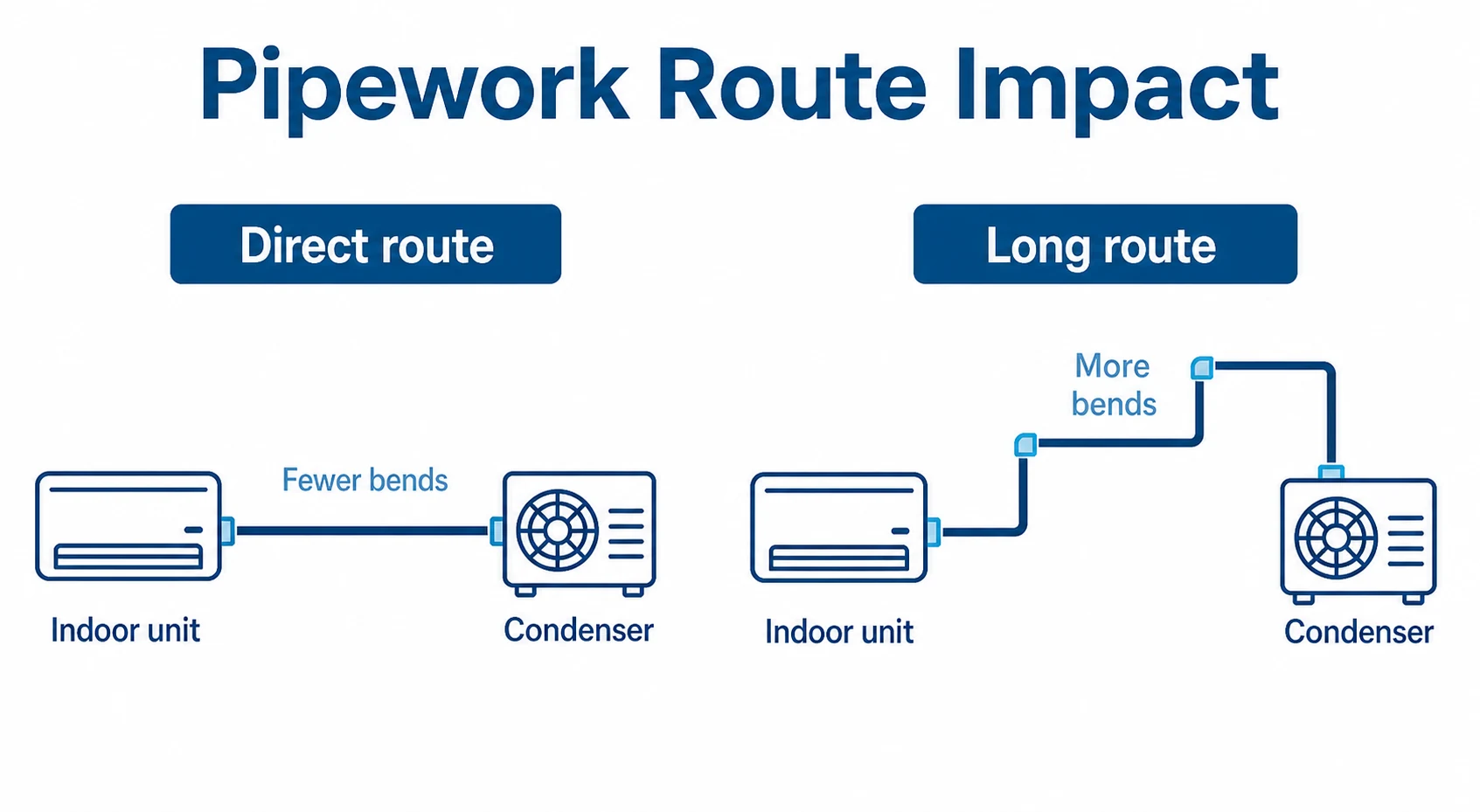
The condenser does not work in isolation. Pipework routes between the indoor equipment, compressors, condensers and any associated controls have a major influence on performance. The aim is to create a route that supports correct refrigerant flow, oil return, pressure control and future inspection.
Long or awkward pipe runs can increase pressure drop and add complexity. Poorly planned routes may also make insulation, support, leak checking and access more difficult. The best route is rarely just the shortest visible path. It is the route that suits the system design, the building fabric, the equipment duty and the practical realities of maintenance.
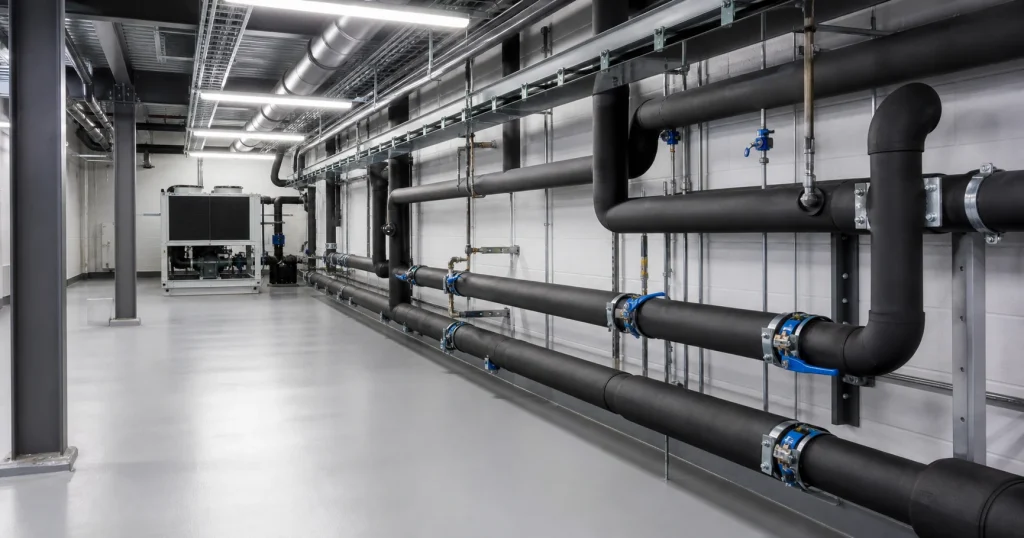
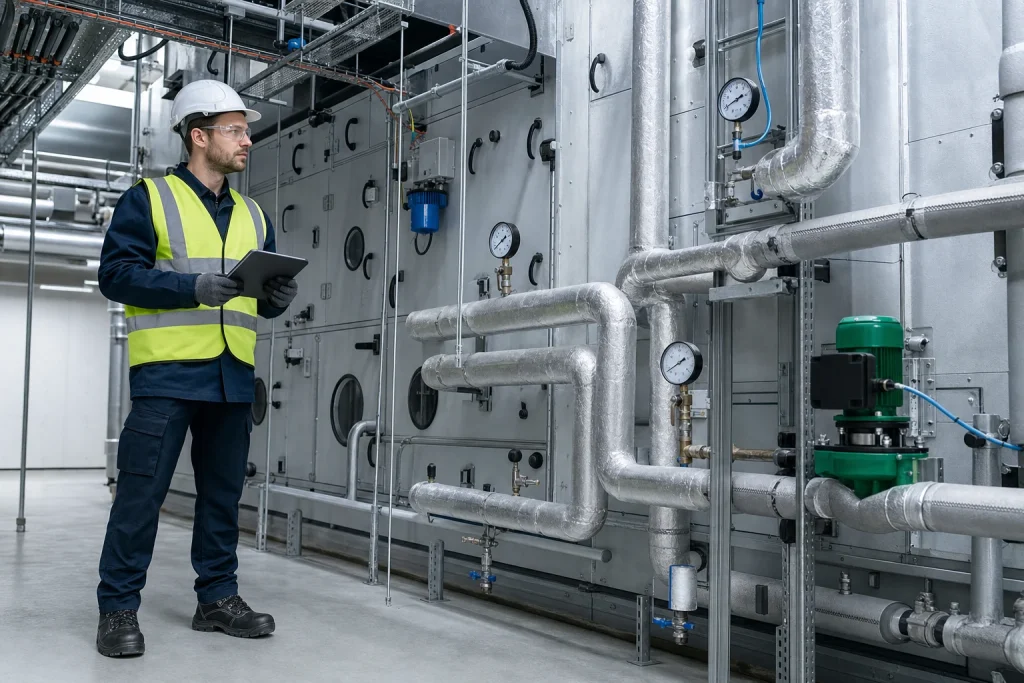
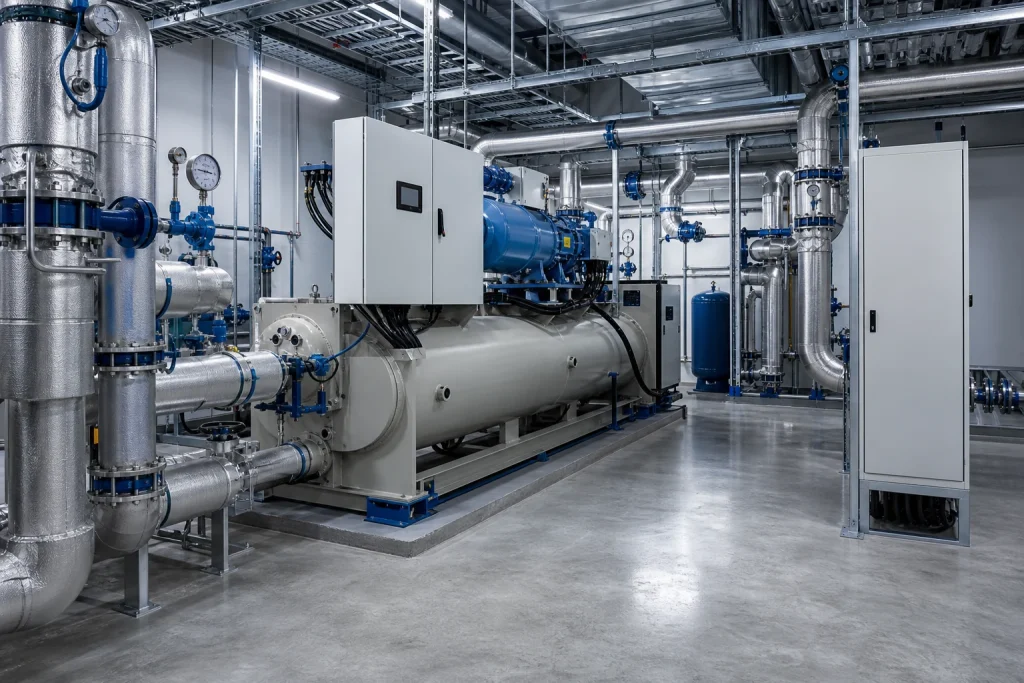
Pipework should be properly supported, protected where needed and arranged so that key joints, valves and service points remain accessible. Where chilled water or glycol systems are involved, the same principle applies. Flow, insulation, pump duties, strainers, valves and access all need to be planned as part of one working system.
A neat pipework route is not only about appearance. It reduces avoidable stress on components, supports accurate commissioning and helps engineers diagnose issues later. For larger commercial and industrial systems, this level of planning can make a noticeable difference to how confidently the system performs under changing load conditions.
Energy use and operating pressure
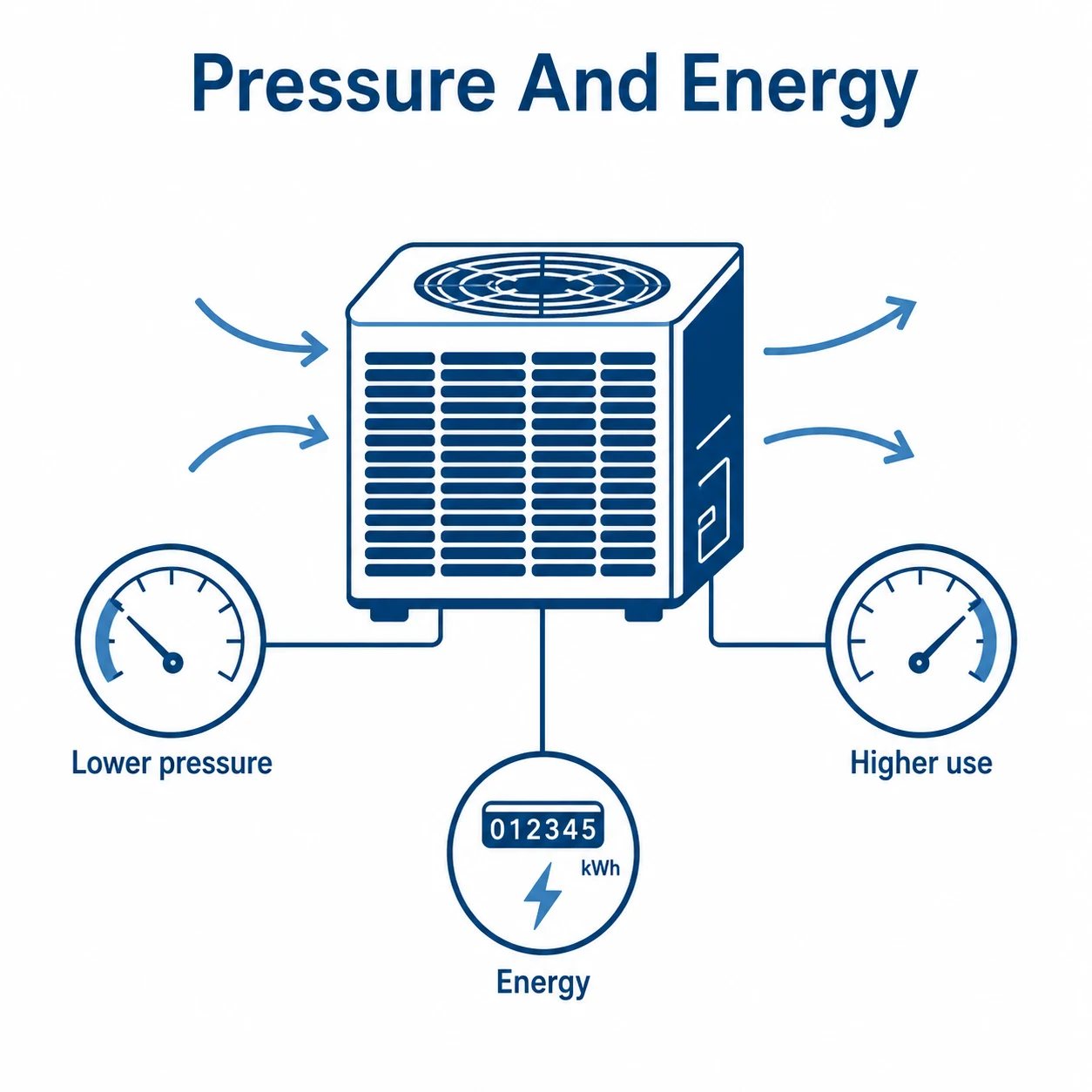
Condenser placement has a direct relationship with energy use. When a condenser can reject heat efficiently, the system can operate with more favourable pressures. When it sits in hot, restricted or recirculated air, the refrigeration plant may need more energy to maintain the required temperature.
This does not mean condenser position is the only factor in running costs. Equipment selection, controls, refrigerant charge, door discipline, maintenance, insulation, product loading and set points all play a part. However, placement is one of the decisions that can either support efficiency from the beginning or make the system compensate for avoidable design limitations.
Good condenser placement can also reduce the frequency of pressure related faults. A system that regularly operates at elevated pressures is likely to place more demand on fans, compressors and controls. Over time, that can affect reliability and maintenance needs.
For businesses reviewing operating costs, condenser placement should sit within a wider efficiency conversation. Practical steps are covered in more detail in Cold Care guidance on energy efficient refrigeration and reducing business costs.
What buyers should ask before installation
A good refrigeration proposal should explain more than the equipment model. It should show that the installation has been considered as a complete system. Buyers do not need to become refrigeration engineers, but they should feel confident that important placement decisions have been thought through.
Useful questions include:
- Where will the condenser draw air from and where will it discharge warm air?
- Is there enough clearance around the unit for airflow and servicing?
- Could warm air from another system affect performance?
- How will engineers access the condenser safely for maintenance?
- Are pipework routes practical, supported and accessible?
- Has the design considered future repair or replacement of major components?
- How will the system be commissioned and checked after installation?
Clear answers to these questions help separate a basic fit from a properly considered installation. They also encourage better decisions early, when changes are easier to make.
Cold Care works with commercial and industrial refrigeration, air conditioning and chilled water or glycol processing systems, so condenser placement is viewed as part of the wider cooling design. The aim is always to support dependable operation, efficient performance and practical maintenance throughout the life of the system.
- Condenser placement affects heat rejection, operating pressure, efficiency and reliability.
- Clear airflow is essential. Restricted or recirculated air can make refrigeration equipment work harder.
- Roof positions can work well when access, support, safety and service space are properly planned.
- Pipework routes should support refrigerant flow, oil return, insulation, access and future maintenance.
- Buyers should ask practical questions about airflow, access and commissioning before installation begins.
Frequently asked questions
Can a condenser be placed anywhere outside?
No. A condenser needs suitable airflow, clearance, support and access. The position should also avoid warm air recirculation and allow engineers to service the equipment safely.
Does condenser placement affect energy use?
Yes. If the condenser can reject heat efficiently, the system is generally better placed to operate at suitable pressures. Poor airflow or heat build up can increase the work the system has to do.
Why is roof access important for refrigeration condensers?
Engineers need safe, practical access for inspection, cleaning, testing and repairs. Good access helps maintenance happen properly and supports faster fault diagnosis when issues arise.
Should pipework routes be discussed before installation?
Yes. Pipework routes affect performance, service access and future maintenance. They should be planned as part of the full refrigeration system, not treated as an afterthought.
Planning a refrigeration project?
Cold Care can help you think through condenser placement, airflow, access and pipework as part of a reliable commercial or industrial cooling system.