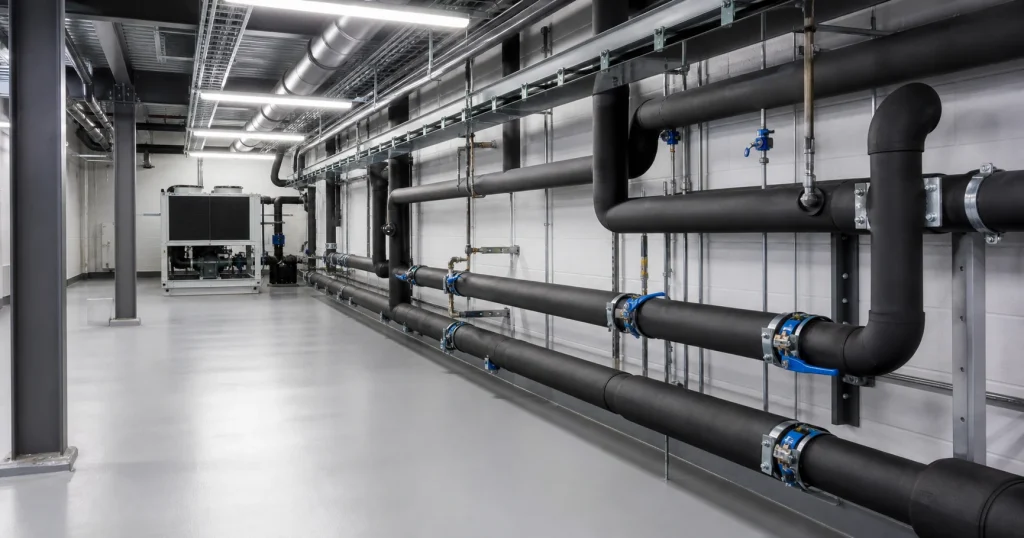
Industrial refrigeration maintenance should do more than keep a system running. It should protect product quality, production continuity, energy use and the working life of expensive cooling assets.
For commercial and industrial buyers, the real question is not whether a visit has taken place. It is whether the right checks have been carried out by engineers who understand condensers, pipework, gauges, chillers, controls and whole system performance.
Why industrial refrigeration maintenance matters
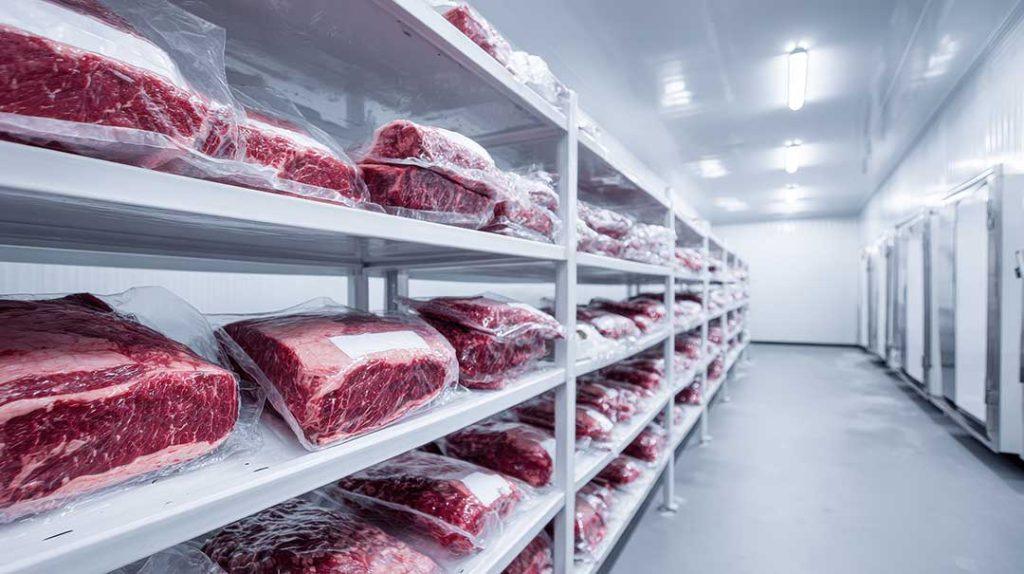
Industrial refrigeration systems often support business critical processes. They may hold stock at a safe temperature, keep production equipment within tolerance, support chilled water or glycol circuits, or provide cooling across a busy operational site. When performance starts to drift, the first signs are not always dramatic. Temperatures may take longer to recover, plant may run for longer than usual, pressures may sit outside expected ranges, or energy use may creep up.
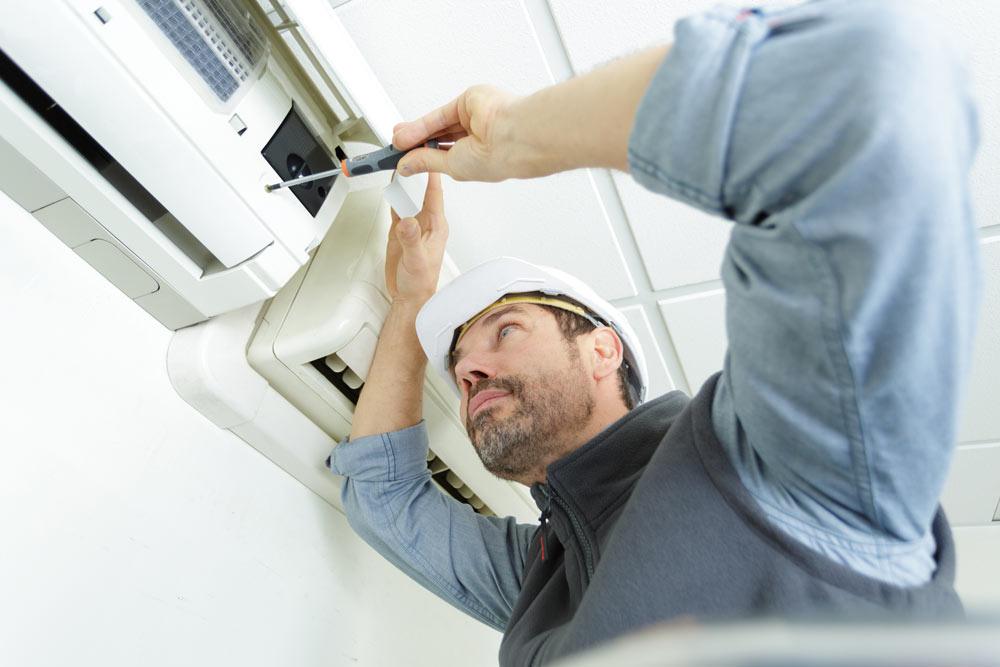
A professional maintenance visit is designed to spot these changes early. It gives engineers a structured opportunity to inspect the system, test key components, compare readings, clean heat exchange surfaces and advise on developing issues before they affect operations.
Cold Care supports industrial and commercial refrigeration service and maintenance for businesses that need dependable cooling rather than guesswork. A good maintenance plan should always be shaped around the equipment, the operating hours, the site environment and the consequences of downtime.
Condenser checks and heat rejection
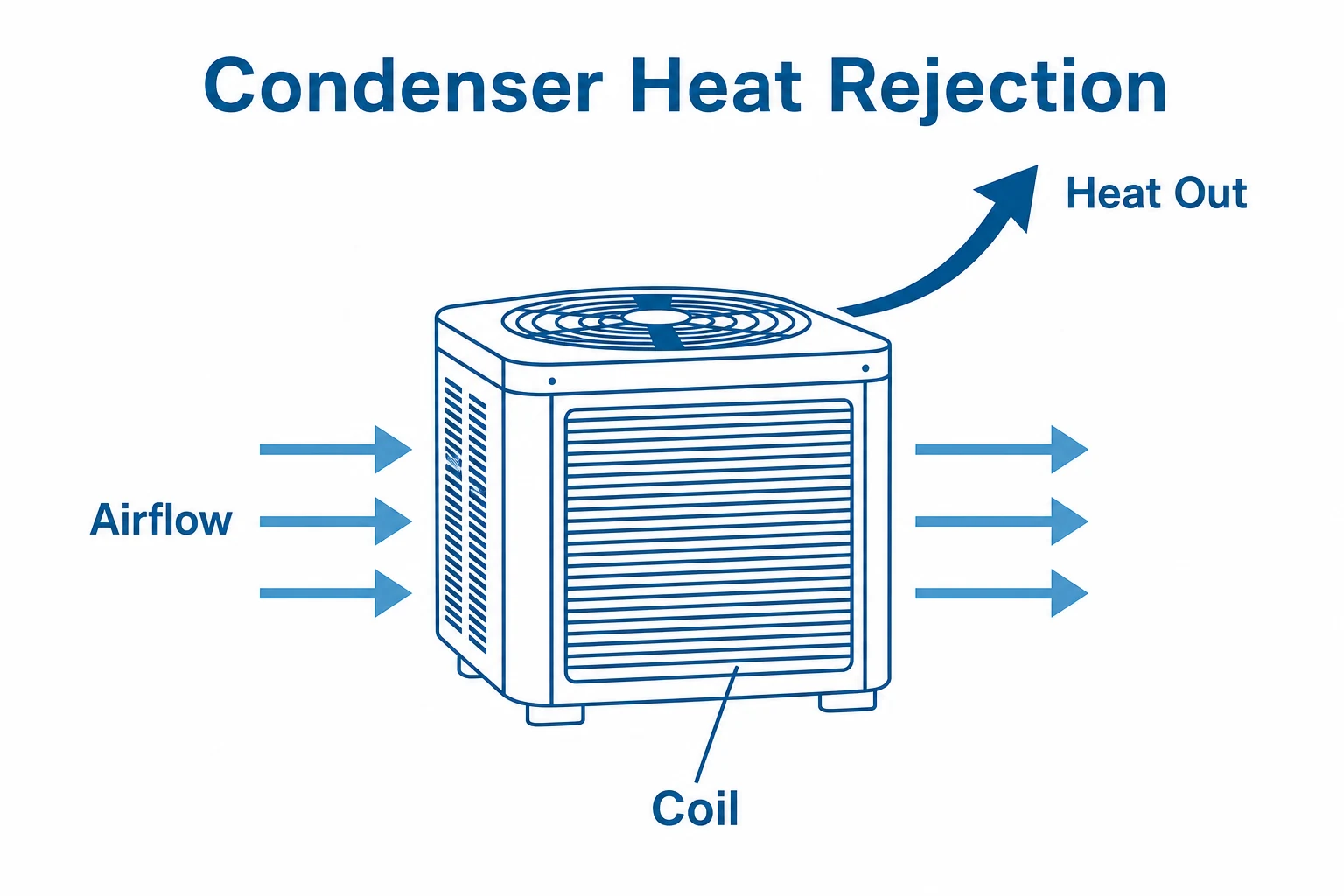
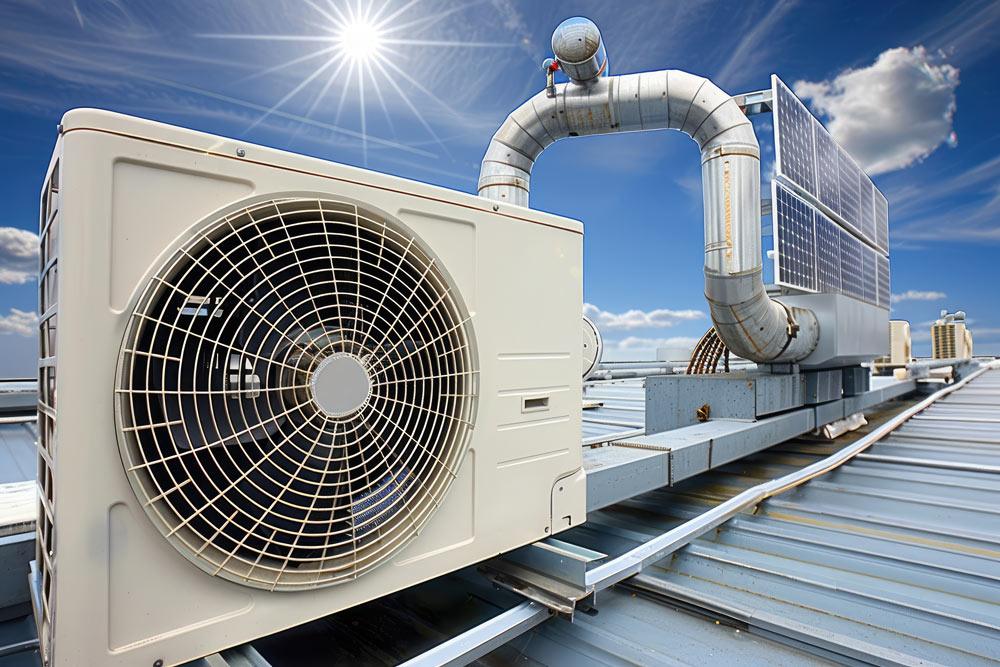
The condenser is one of the first areas an engineer should assess. It is responsible for rejecting heat from the refrigeration system, so restricted airflow, dirt, damaged fins, fan faults or poor location conditions can all force the system to work harder than it should.
During maintenance, engineers should check that condenser coils are clean and unobstructed, that fans operate correctly, and that electrical connections, guards, mountings and controls are in suitable condition. They should also listen for unusual vibration or bearing noise and look for signs of overheating or stress.
Clean, effective heat rejection helps the system maintain design performance. It can also reduce unnecessary compressor strain. If condenser performance is poor, the issue can show up as higher running pressure, longer run times, nuisance faults or poor temperature control elsewhere in the system.
Maintenance should not treat condenser cleaning as a quick surface task. The engineer should consider the wider condition of the unit, the airflow path, the surrounding operating environment and whether the condenser is still suited to the current load on the system.
Pipework, insulation and refrigerant circuit condition
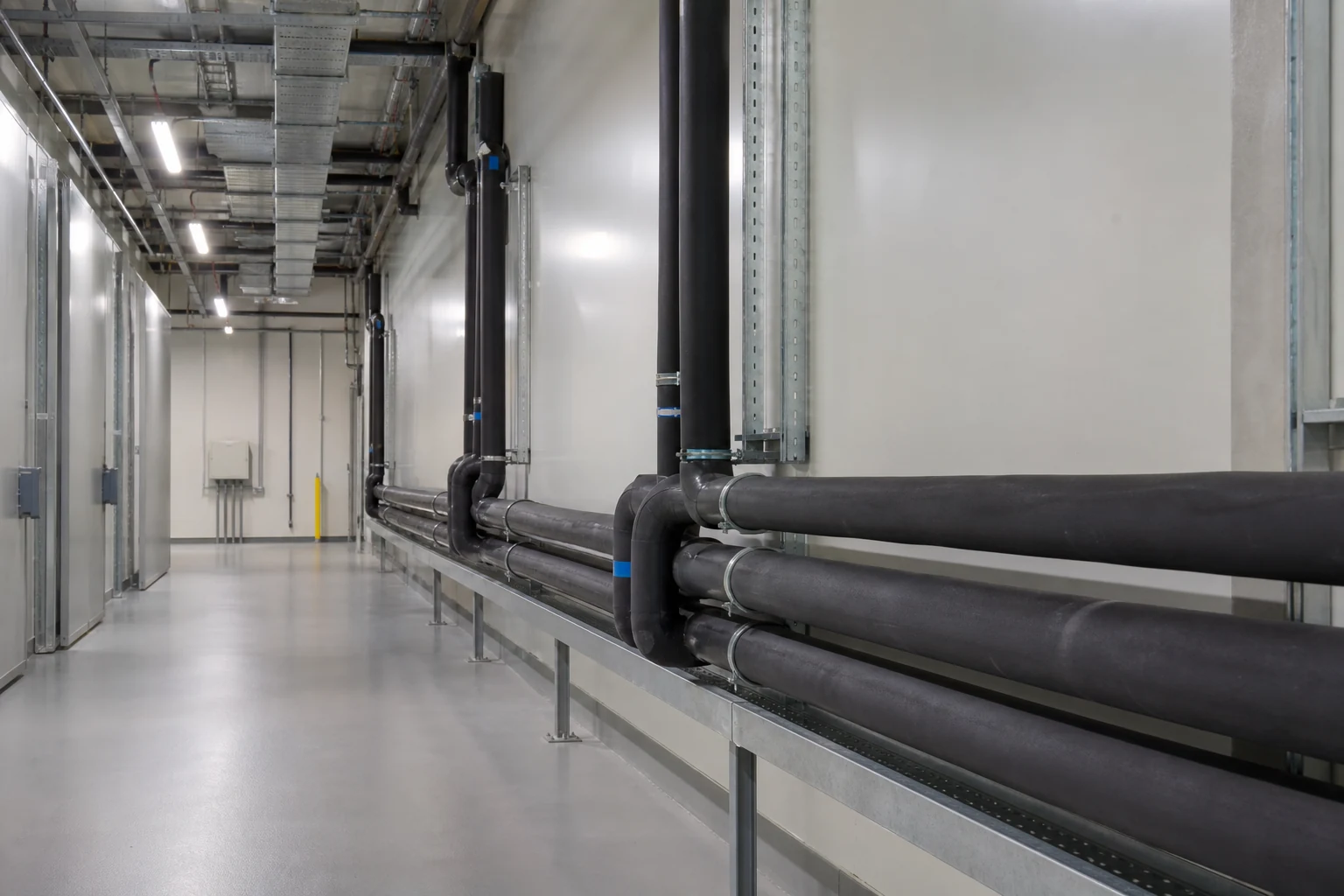
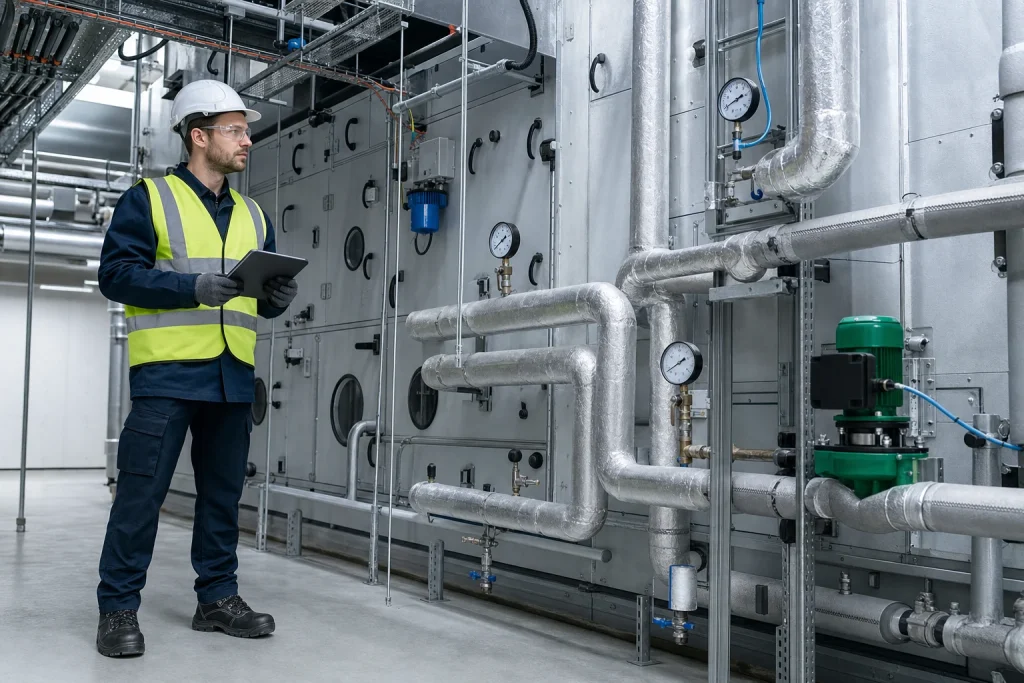
Pipework is easy to overlook because much of it may appear passive, but it carries vital evidence about system health. A maintenance visit should include inspection of exposed pipework, joints, supports, insulation and accessible valves.
Engineers should look for oil staining, corrosion, damaged insulation, loose brackets, vibration marks and any signs that pipework has been rubbing against surrounding surfaces. Oil staining can indicate a potential refrigerant leak, while poor insulation can contribute to heat gain, condensation problems and inefficient operation.
Valve condition matters too. Service valves, expansion valves, solenoids, strainers and sight glasses can all provide clues about refrigerant flow, moisture, contamination and system balance. The engineer should not rely on a single symptom. Good diagnosis comes from comparing the physical condition of the system with temperature, pressure and control readings.
For sites with chilled water or glycol circuits, pipework checks should also consider pumps, strainers, expansion vessels, dosing points, insulation and visible signs of leakage. These circuits are central to many chilled processing applications, where stable temperature control supports product consistency and operational reliability. Cold Care has also written about chilled processing systems for safe and consistent production where buyers need a deeper view of that part of a cooling setup.
Gauges, pressures and control readings
Gauges and digital readings are only useful when interpreted by someone who understands the system. During maintenance, engineers should record and assess suction pressure, discharge pressure, temperatures, superheat, subcooling and relevant control values where appropriate for the equipment.
These readings help show whether the refrigeration circuit is operating within expected parameters. They can point towards airflow restrictions, refrigerant charge concerns, expansion valve issues, blocked filters, compressor wear or control problems. The important point is that readings should be considered together, not in isolation.
Maintenance should also include a review of control settings and alarm history. If a system has been repeatedly resetting, drifting from setpoint or logging intermittent faults, those details can reveal a developing problem that may not be present during the visit itself.
Where gauges are installed on plant, engineers should check that they are readable, suitable and not damaged. Where portable instruments are used, they should be applied by trained personnel. Industrial refrigeration maintenance is not a DIY exercise. It involves pressure systems, electrical components, refrigerants and site risks that require competent handling.
Chillers, pumps and system performance
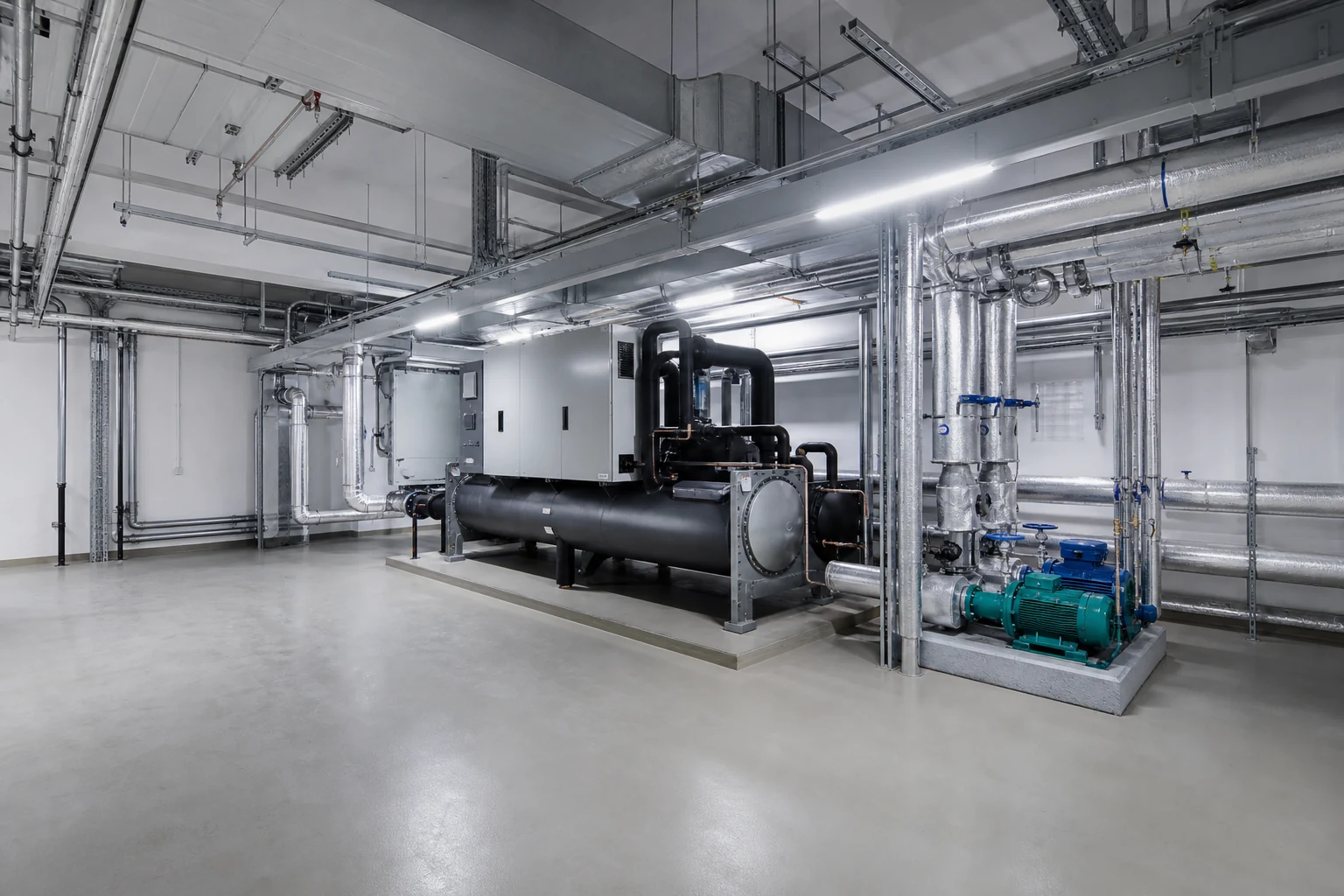
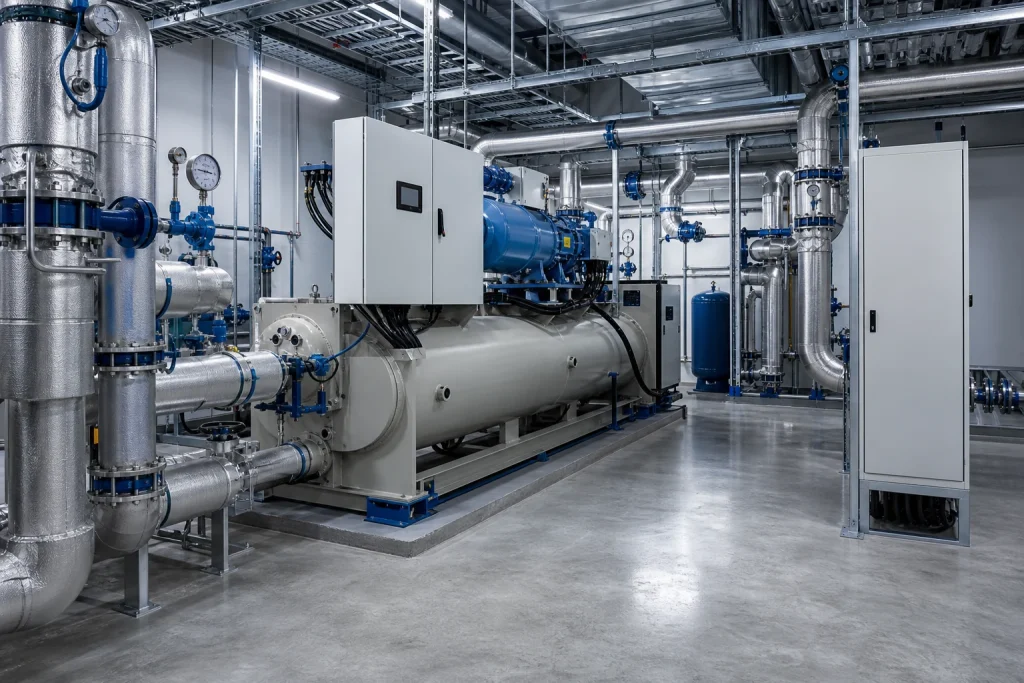
Where a site uses chillers, maintenance should cover more than a basic visual inspection. Engineers should check operating temperatures, flow conditions, safety controls, compressor operation, condenser and evaporator condition, pumps, strainers and associated control equipment.
For water and glycol systems, the condition of the circulating fluid can be just as important as the chiller itself. Poor fluid quality, incorrect concentration, air in the system, blocked strainers or poor flow can reduce performance and place avoidable strain on the plant. Depending on the setup, maintenance may include checking glycol strength, looking for contamination, confirming pump performance and inspecting accessible parts of the distribution circuit.
System performance should be judged against what the business needs the equipment to do. That means looking at setpoints, load, recovery times, run hours and whether the plant is maintaining stable temperatures during normal operation. A system that technically runs may still be underperforming if it struggles during peak demand or cycles in a way that increases wear.
Energy efficiency is also part of good maintenance. Dirty coils, poor controls, damaged insulation and failing components can all increase running costs. For practical ways cooling performance and cost control connect, Cold Care has a helpful guide to energy efficient refrigeration for business cost reduction.
What a professional maintenance report should tell you
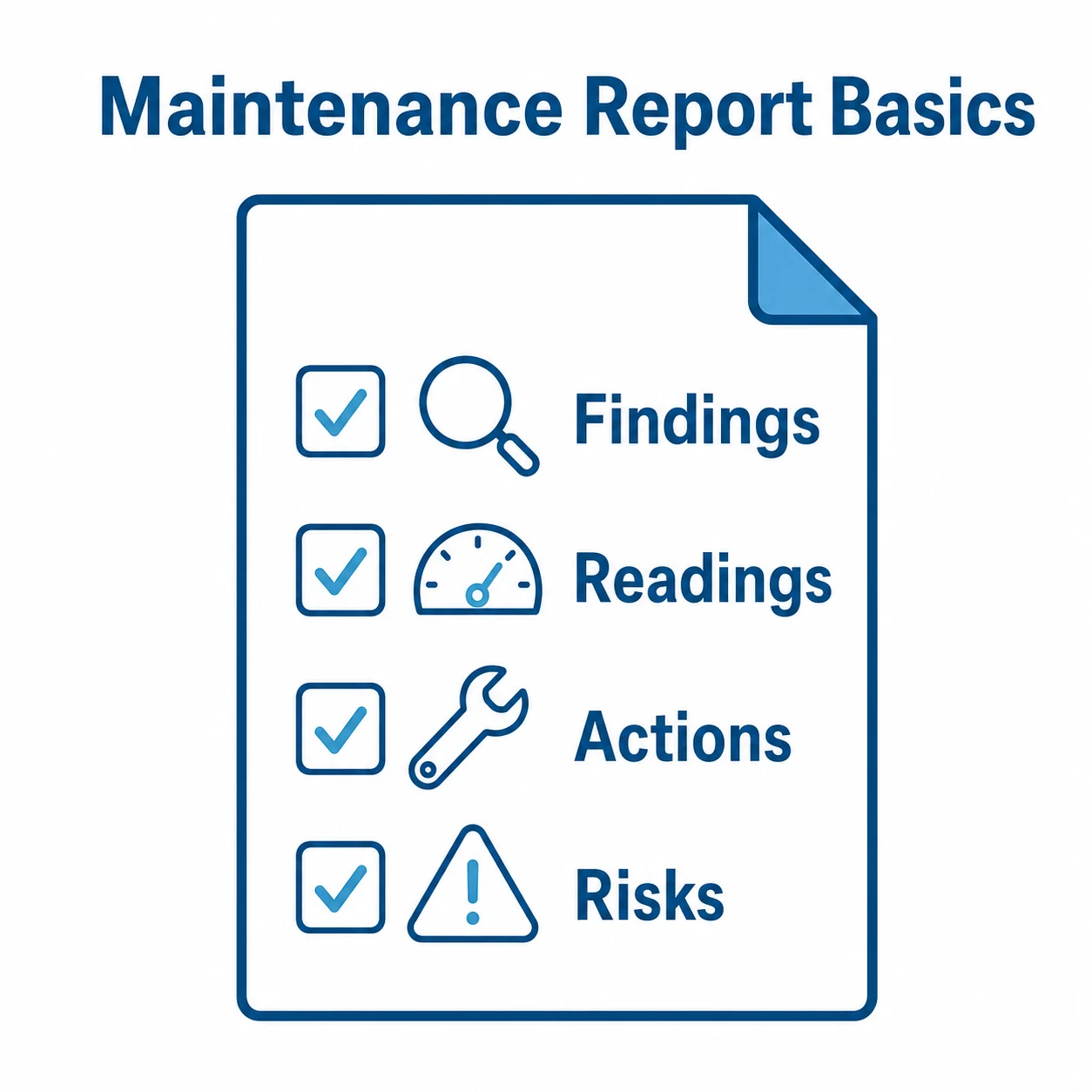
A maintenance visit should leave the buyer with clear information, not vague reassurance. A useful report should explain what was checked, what readings were taken, what faults or concerns were found, and what actions are recommended.
It should distinguish between urgent issues, items to monitor and planned improvements. For example, a failing fan motor, refrigerant leak concern or repeated high pressure fault may require prompt attention. Damaged insulation, ageing controls or coil access issues may be better handled through planned remedial work.
Good reporting also helps build a maintenance history. Over time, repeated readings and observations allow engineers to spot patterns. If pressures are changing, run times are increasing, or the same alarm is appearing more often, the maintenance record can support better decisions.
Buyers should expect practical advice that is specific to their plant. That may include recommended service intervals, parts that should be monitored, cleaning requirements, control improvements, or signs staff should report between visits. If you are already noticing warning signs, Cold Care has a useful article on commercial refrigeration system failure signs.
The best maintenance relationships are proactive. Engineers get to know the equipment, the site and the way the system behaves under real operating conditions. That makes every visit more valuable, because the advice becomes more targeted and the maintenance plan becomes better aligned with the business.
- Industrial refrigeration maintenance should cover condensers, pipework, insulation, gauges, controls, chillers and system performance.
- Professional checks should look for early signs of poor heat rejection, leaks, pressure issues, poor flow and control faults.
- Chilled water and glycol systems need attention to pumps, strainers, fluid condition, insulation and stable operating temperatures.
- A clear maintenance report should record checks, readings, concerns and recommended next steps.
- Maintenance is a specialist task for trained engineers, not a DIY checklist.
Frequently asked questions
How often should industrial refrigeration maintenance be carried out?
The right interval depends on the equipment, operating hours, site conditions and the level of risk if cooling is interrupted. Many systems need planned visits through the year, with more frequent attention for heavily used or business critical plant.
What should engineers check during a refrigeration maintenance visit?
A professional visit should include checks across condensers, fans, compressors, pipework, insulation, gauges, controls, alarms, chillers, pumps and system readings. The exact scope should match the system and its use.
Can maintenance help reduce refrigeration running costs?
Yes. Clean heat exchange surfaces, correct controls, sound insulation, good airflow and stable system operation can all help reduce avoidable energy use. Maintenance also helps identify faults that make equipment run harder than necessary.
Is industrial refrigeration maintenance the same as repair work?
No. Maintenance is planned work that checks, cleans, tests and monitors the system. Repair work deals with faults that have already been found. Good maintenance can reduce the chance of unexpected repairs by identifying issues earlier.
Keep your refrigeration plant working properly
If your refrigeration system supports production, storage or business critical cooling, Cold Care can help plan professional maintenance around your equipment and operating needs.