When a chilled processing system is working properly, it can feel almost invisible. Product temperatures stay controlled, process water or glycol returns at the right set point, and production teams can get on with the job.
HFC chiller faults change that very quickly. A small refrigeration issue can become unstable cooling, nuisance trips, longer pull-down times or a process line that cannot hold temperature when demand rises.
Why HFC chillers matter in process cooling
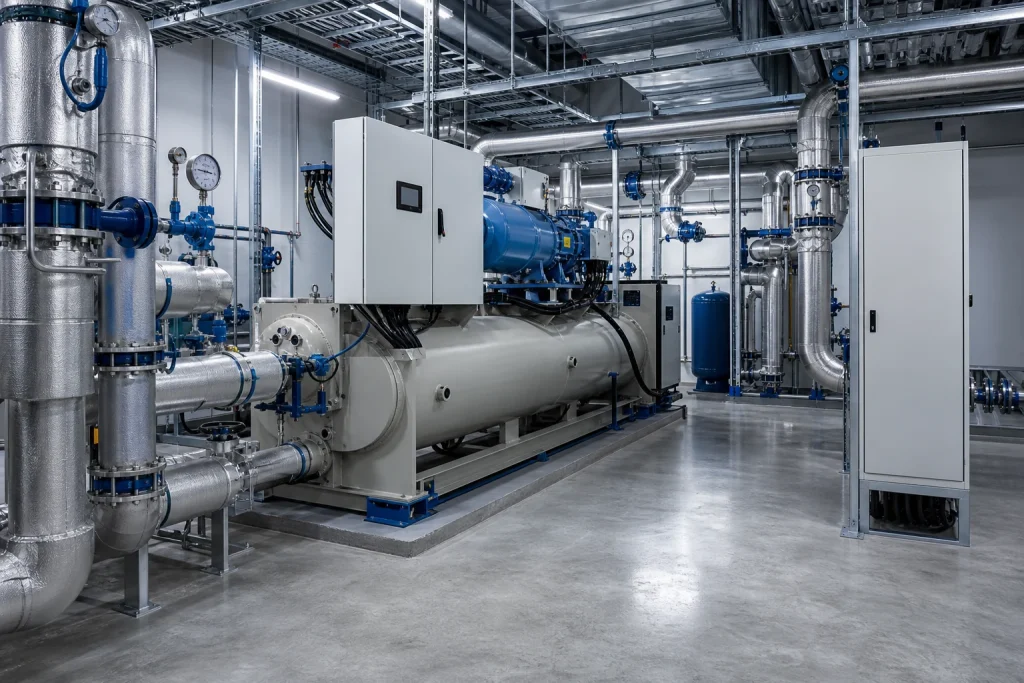
In many commercial and industrial environments, the chiller is the heart of the chilled processing system. It removes heat from a water or glycol circuit, then sends that cooled fluid around heat exchangers, jackets, process vessels, air handling coils or production equipment.
Where HFC refrigerant is used, the refrigeration circuit and the secondary water or glycol circuit have to work together. If the refrigerant side loses performance, the process side feels it. Flow temperatures may drift upward, return temperatures may stay too high, or the system may run for longer without achieving stable control.
That is why chilled processing installation, service and maintenance needs more than a quick reset. A process cooling fault is not only about the chiller cabinet; it is about the whole route from compressor operation and heat rejection through to pumps, controls, strainers, pipework, valves and the final process load.
Common HFC chiller faults and what they can indicate
Different faults can look similar from the production floor. A process may simply appear warmer, slower or less consistent. On inspection, however, the cause can sit in several places within the refrigeration or hydraulic system.
Common HFC chiller repair issues include low refrigerant charge, refrigerant leaks, poor heat rejection at the condenser, dirty coils, faulty fans, compressor problems, pressure switch trips, expansion valve issues, sensor faults, poor water or glycol flow, blocked strainers and control settings that no longer match the process demand.
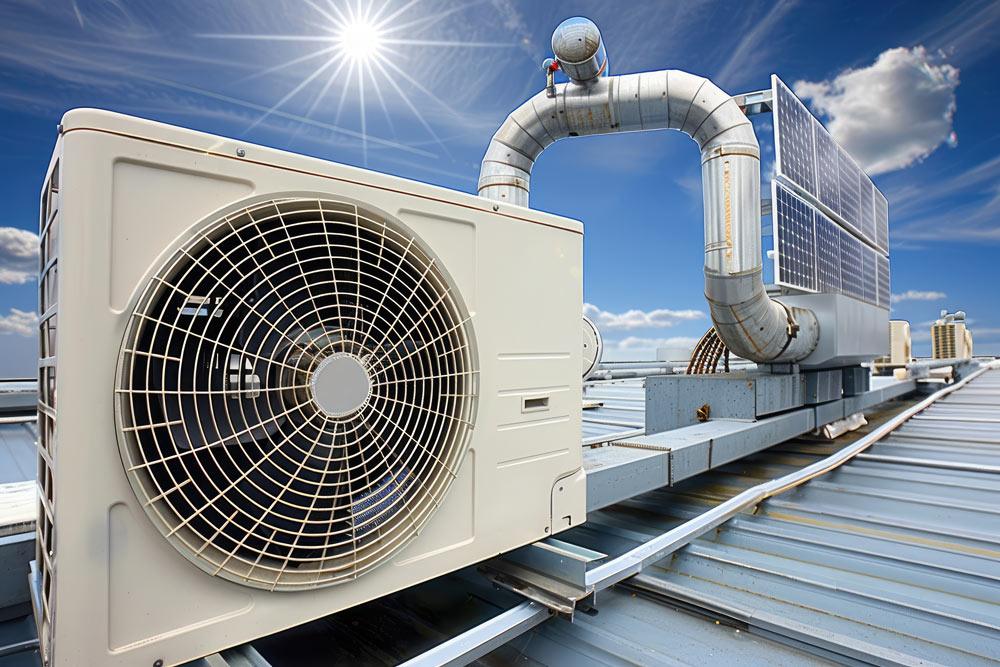
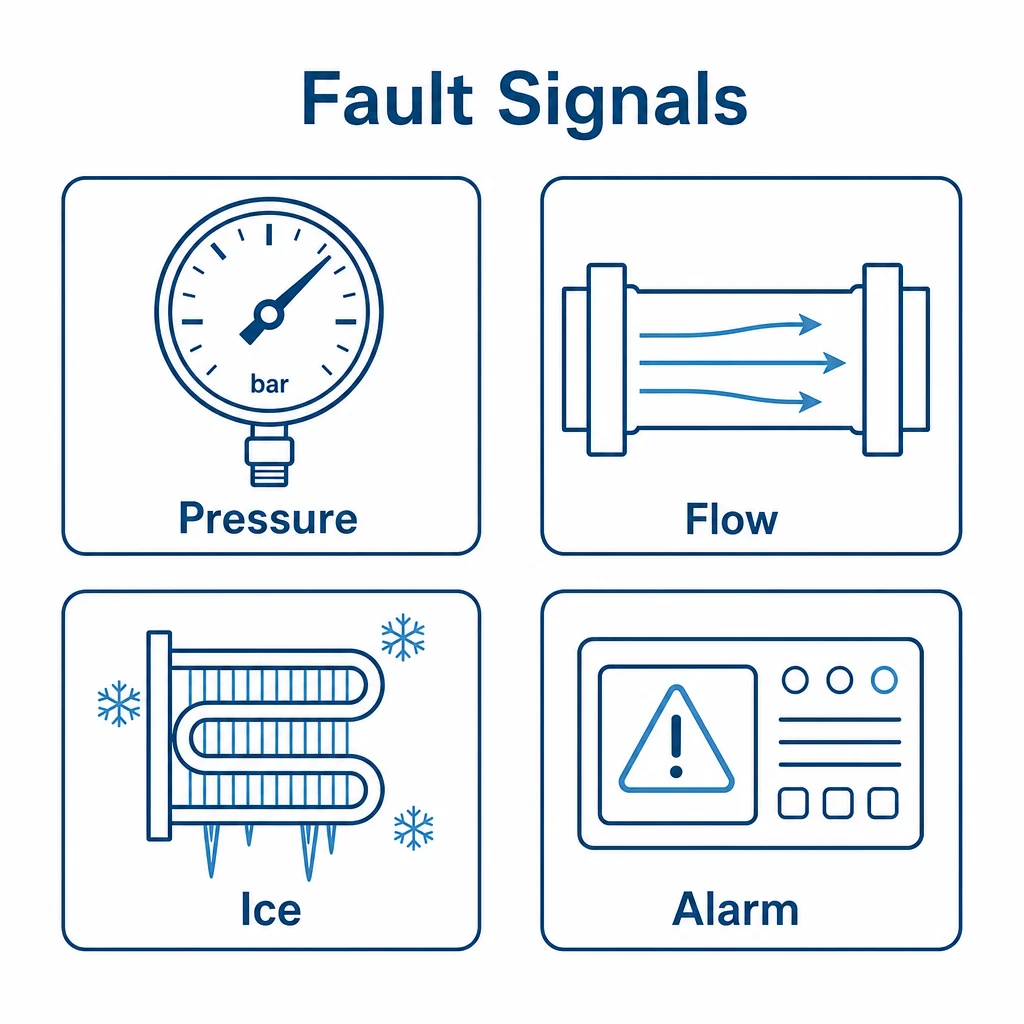
A low-pressure fault may point toward refrigerant loss, flow problems through the evaporator or an issue with expansion control. A high-pressure fault may be linked to condenser airflow, fouled coils, failed fans or high ambient conditions around rooftop or plant room equipment. A flow fault may be caused by pumps, valves, filters, glycol concentration, air in the system or a restriction in the pipework.
The important point is that the displayed alarm is a starting clue, not a complete diagnosis. Resetting a fault without finding why it happened can leave the system exposed to repeat trips, inefficient running and avoidable stress on major components.
How faults affect chilled processing reliability
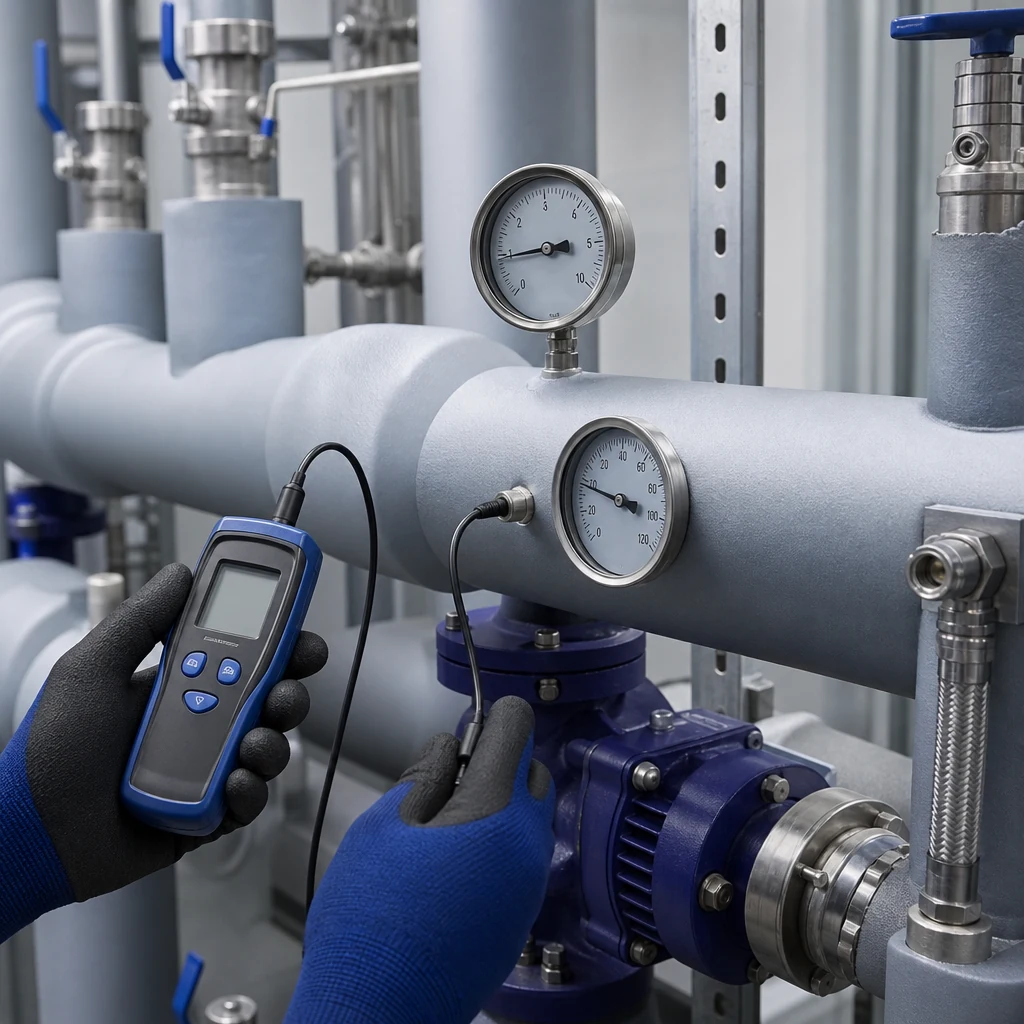
Chilled processing relies on stability. If the water or glycol temperature swings too far, the process can become harder to control. Product cooling, batching, storage, wash-down support, process jackets or production equipment may all be affected depending on how the system is used.
One fault can also create a chain reaction. If heat is not rejected properly, discharge pressures can rise and the chiller may trip. If evaporator flow is poor, the system may risk freezing or low-temperature cut-outs. If sensors are reading incorrectly, controls can make the wrong decisions even when the mechanical equipment is capable of performing.
Glycol systems need particular care because the fluid itself matters. Incorrect concentration, contamination, poor circulation or trapped air can reduce heat transfer and make the chiller appear to be underperforming. In some cases, the refrigeration circuit may be blamed when the real issue is in the secondary side.
A useful service visit looks at both sides together. That means checking operating pressures, temperatures, superheat, subcooling, electrical readings, pumps, flow, filters, controls and the condition of the water or glycol circuit. For a broader look at how these systems support stable production, Cold Care’s guide to chilled processing systems and production consistency explains the role of reliable cooling in day-to-day operations.
Warning signs production teams should not ignore
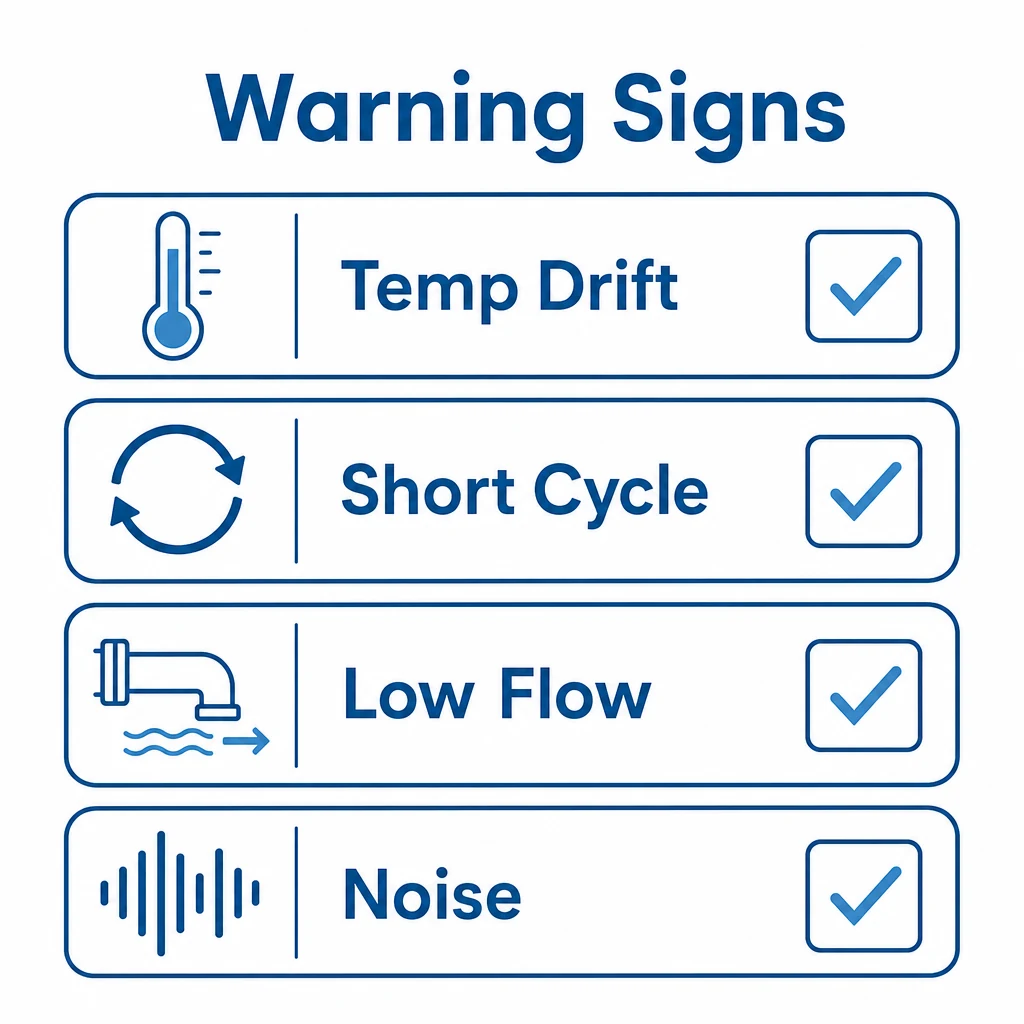
Not every chiller fault starts with a complete shutdown. Many issues develop gradually, which gives maintenance teams a chance to act before process cooling becomes unreliable.
- Longer pull-down times: the system takes longer than usual to reach its set point after start-up or product loading.
- Temperature drift: leaving water or glycol temperatures rise during normal production demand.
- Frequent resets: operators clear the same alarm more than once without a clear cause being found.
- Unusual noises or vibration: compressors, fans or pumps sound different from normal operation.
- Ice, frost or sweating pipework: visible signs suggest the evaporator, insulation, flow or control conditions need checking.
- Pressure alarms: high-pressure or low-pressure trips show the refrigeration circuit is operating outside expected limits.
- Energy use feels out of proportion: the chiller appears to run harder or longer to deliver the same cooling duty.
These signs do not always mean a major failure is close, but they do justify a proper investigation. Early attention often makes it easier to correct the underlying issue while production cooling is still under control.
Why specialist service keeps cooling stable
HFC chiller repair for chilled processing is a specialist task because the engineer needs to understand refrigeration and the process it supports. The aim is not just to make an alarm disappear. The aim is to restore dependable cooling at the temperature, flow and duty the site needs.
A good service approach starts with evidence. Engineers will look at the alarm history, running conditions, refrigerant circuit performance, condenser condition, evaporator temperature differences, water or glycol flow, pump operation, strainers, valves, electrical components and controls. They may also look for signs of leaks, oil staining, poor insulation, incorrect glycol strength or plant room conditions that restrict access or airflow.
Where HFC refrigerant is involved, refrigerant handling should be carried out by competent people using appropriate equipment. Leak detection, pressure testing, recovery, charging and record keeping all need to be approached carefully. Poor practice can reduce reliability and make future faults harder to diagnose.
Preventive maintenance is equally important. Clean condensers, calibrated sensors, checked safety devices, verified flow, healthy pumps and clear strainers all help the chiller do its job. In a process cooling environment, maintenance is not cosmetic; it protects production stability.
What to expect from a proper chiller fault diagnosis
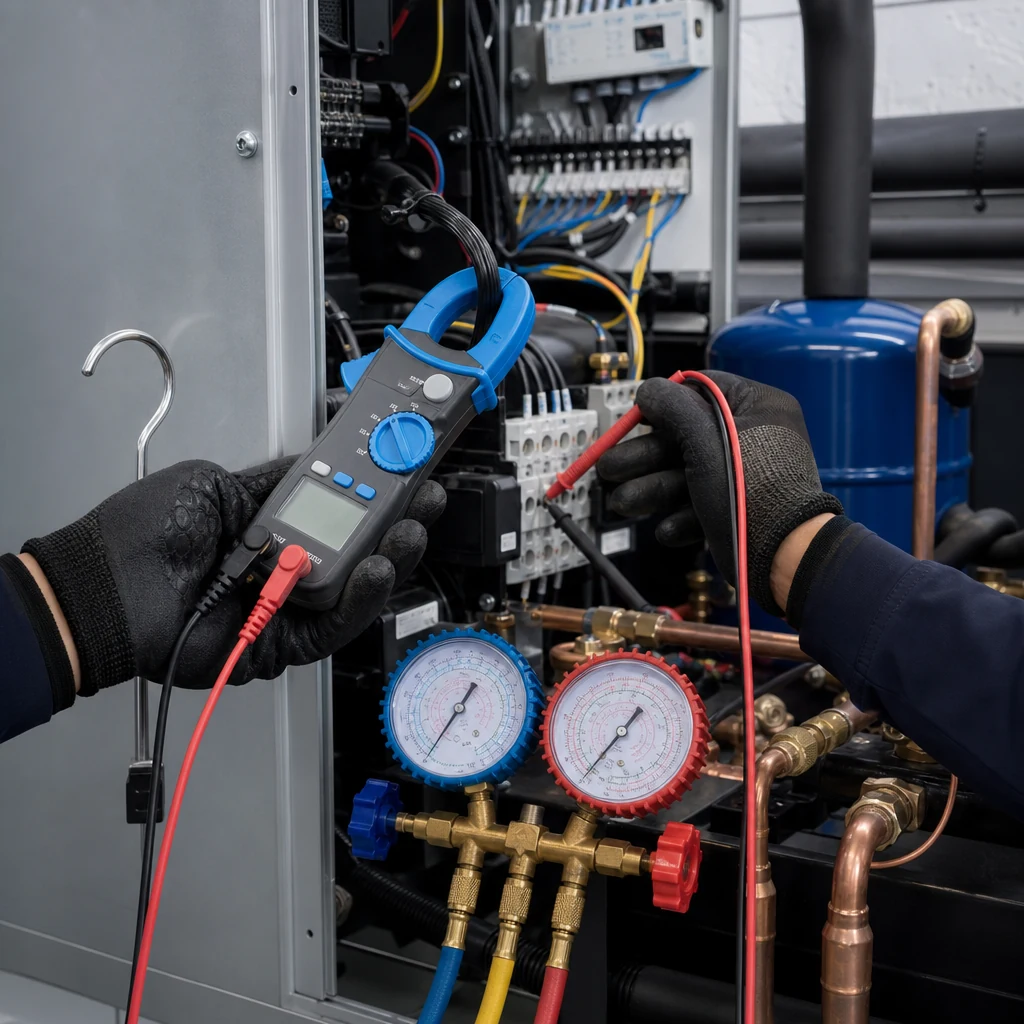
A proper diagnosis should connect the symptom to the cause. For example, if a chiller has tripped on high pressure, the next question is why heat rejection failed. If the process temperature is too high, the next question is whether the issue is refrigerant performance, condenser condition, evaporator heat transfer, flow, controls or the actual process load.
Useful fault finding normally includes measuring and comparing live conditions rather than relying on assumptions. The engineer may check refrigerant pressures, pipe temperatures, compressor amps, fan operation, water or glycol inlet and outlet temperatures, pump status, pressure drops and control signals. This builds a picture of how the system is behaving under real demand.
For production teams, the most helpful outcome is a clear explanation: what failed, what was corrected, what should be monitored, and whether any follow-up maintenance is recommended. That gives site teams confidence that the system is not simply running again, but running for the right reasons.
If chilled processing reliability is becoming harder to maintain, specialist attention can help bring the refrigeration circuit, glycol or water loop and controls back into balance before small faults become repeated disruption.
- HFC chiller faults can affect the whole chilled processing circuit, not just the refrigeration unit itself.
- Alarm codes are useful clues, but stable repair depends on finding the underlying cause.
- Water and glycol flow, concentration, strainers, pumps and controls should be checked alongside the refrigerant circuit.
- Frequent resets, temperature drift and longer pull-down times are early signs that the system needs attention.
- Specialist service helps keep process cooling reliable, efficient and suitable for production demand.
Frequently asked questions
What does an HFC chiller fault usually mean?
It means the chiller has detected an operating condition outside its expected limits. The cause could be refrigerant related, electrical, airflow related, hydraulic, control based or linked to the process load, so the alarm should be diagnosed rather than simply reset.
Can a chiller fault affect glycol temperature?
Yes. If the refrigeration circuit is not removing heat properly, or if the glycol side has poor flow or contamination, the glycol temperature can rise, fluctuate or take longer to recover after production demand increases.
Is low refrigerant always the cause of poor chiller performance?
No. Low refrigerant can reduce performance, but similar symptoms can come from dirty condensers, failed fans, blocked strainers, pump issues, incorrect glycol concentration, sensor faults or control problems.
How often should a process chiller be serviced?
The right interval depends on duty, operating hours, environment, refrigerant type and production criticality. Systems that support continuous or temperature-sensitive processes usually benefit from planned maintenance rather than waiting for faults to appear.
Keep chilled processing stable
If your HFC chiller is showing faults, drifting from set point or needing repeated resets, Cold Care can help identify the cause and keep your water or glycol process cooling working reliably.