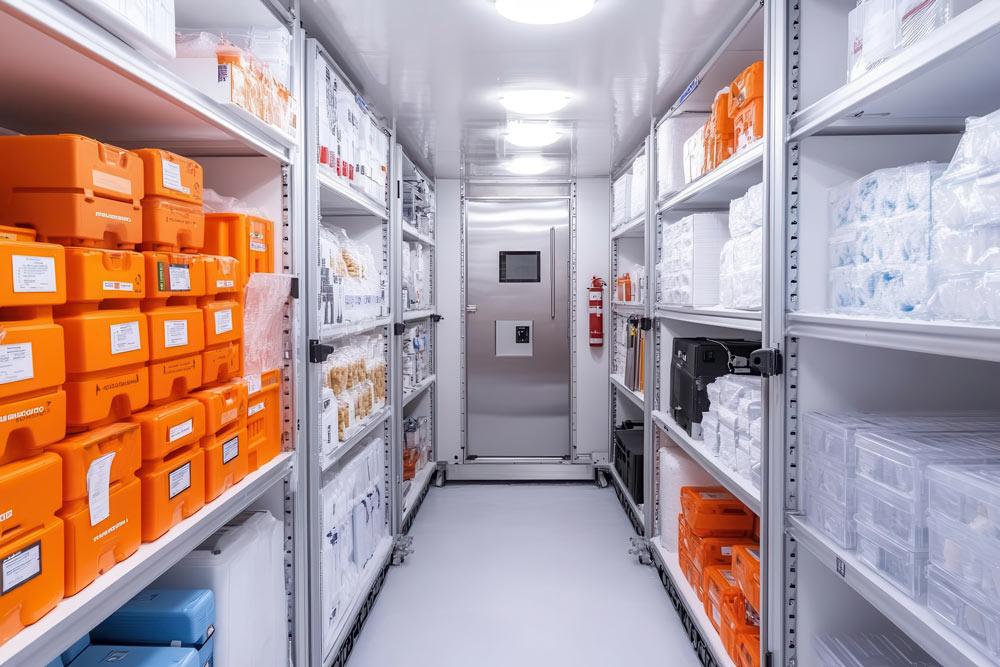
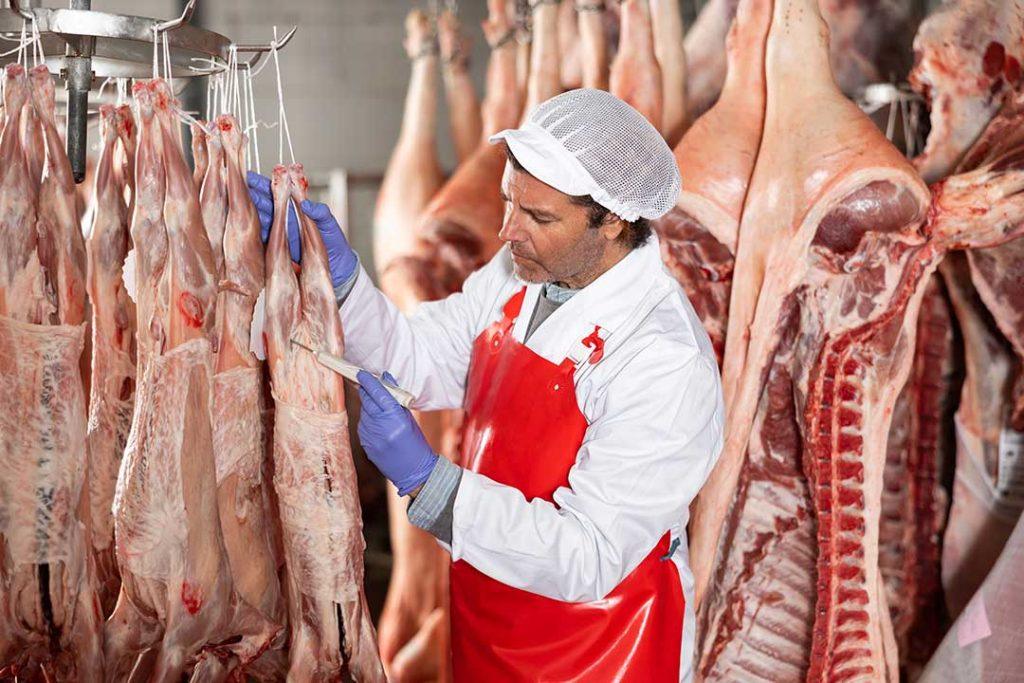
When people hear “chilled processing”, they often picture a cold room and a temperature dial. In reality, it’s a lot more deliberate than that. In many production settings, a small drift in temperature can change how a product sets, shortens shelf life, or forces a line to stop while quality is checked. If you’re working with chilled foods, drinks, pharmaceuticals, or lab sensitive materials, the margin for error is slim.
That’s why chilled processing sits right in the middle of the cold chain. It’s the bit where temperature control directly shapes the product, not just how it’s stored afterwards. ColdCare’s work in chilled processing is about building and looking after those systems so they keep doing their job day in, day out.
What a chilled processing system actually does
A chilled processing system controls temperature during the production stage itself. That might mean cooling a product quickly after cooking or mixing, holding it within a tight range while it’s portioned or packaged, or keeping a whole processing area stable so ingredients behave predictably.
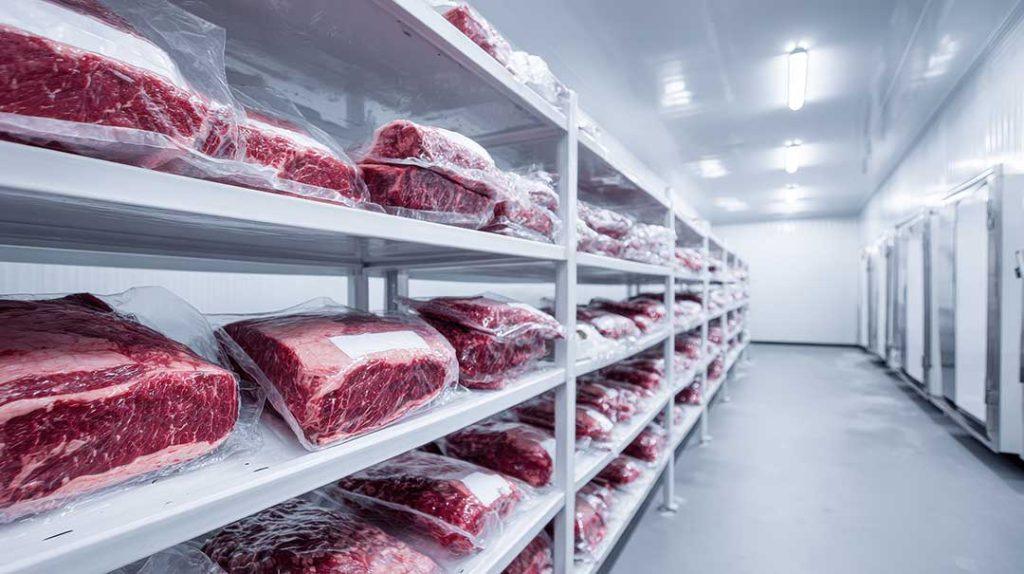
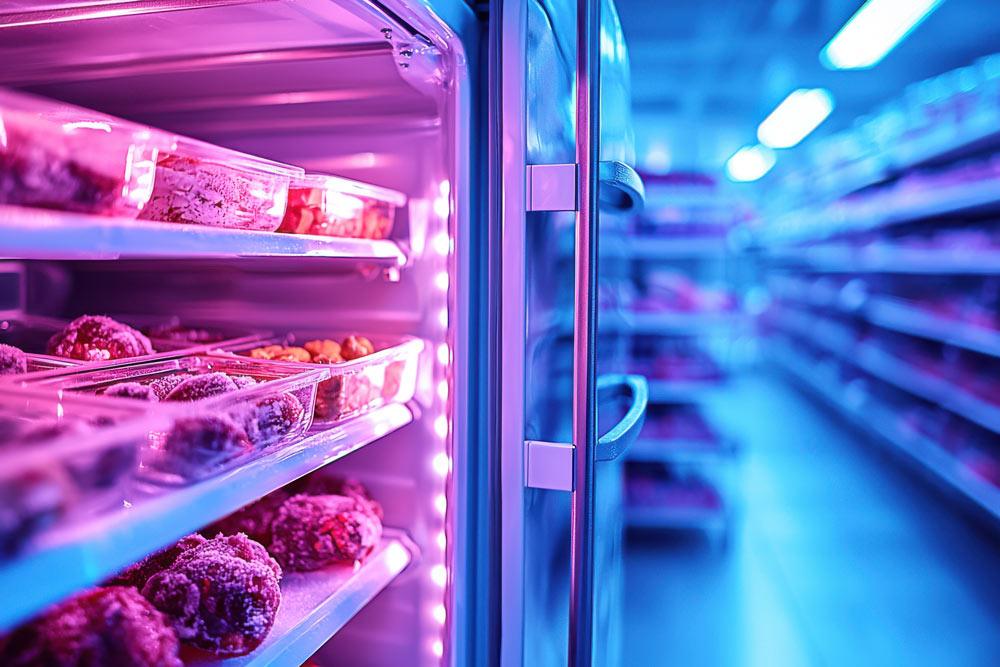
You’ll see these systems in places like food and beverage plants, dairy and meat production, temperature controlled packing areas, pharmaceutical manufacturing, and laboratories. The system might serve jacketed vessels, plate heat exchangers, blast chill sections, or chilled rooms that are part of the workflow rather than simple storage. The common thread is this: it’s designed around the process load, not just the room size.

Why temperature consistency matters so much
Food safety and compliance
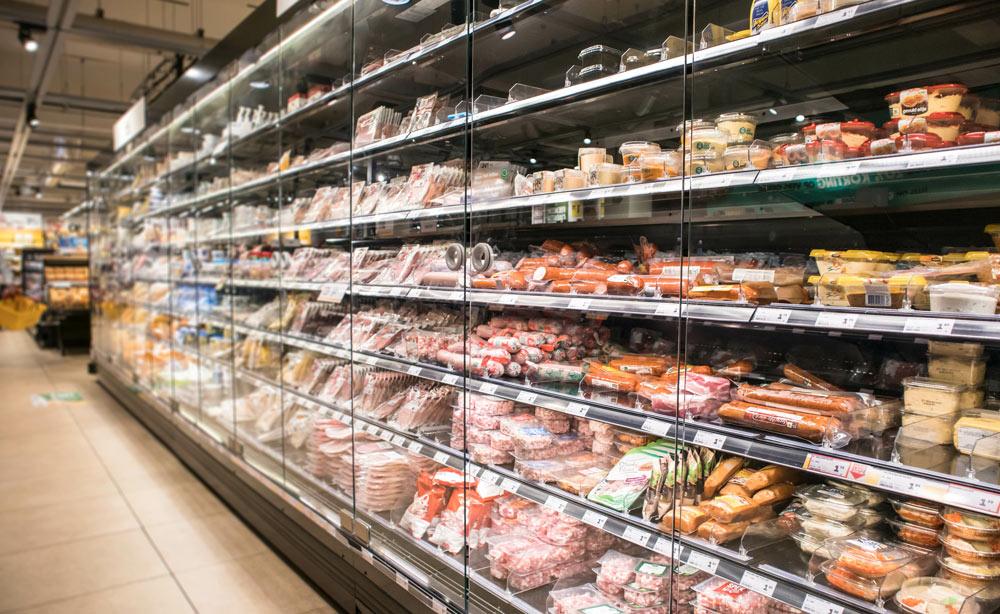
For chilled food production, consistency is a safety issue before it’s a quality one. UK guidance treats 8°C as the maximum legal chilled holding temperature for many foods, while best practice aims closer to 5°C or below to slow bacterial growth more effectively.
There’s also the “danger zone” idea: bacteria multiply far faster between about 8°C and 63°C, so the goal is to keep products out of that range as much as possible.
Product quality
Even if safety isn’t at risk, temperature wobble can still hurt the end result. Texture, moisture retention, appearance, and taste are all temperature sensitive. If a chilled sauce thickens too early, or a dairy product warms slightly during filling, you may get inconsistent batches that customers notice.
Operational risk
Then there’s the practical cost. When temperatures aren’t stable the line slows, staff lose time double checking product, and rework becomes normal rather than occasional. That’s expensive in labour, waste, and reputation.
What goes into a chilled processing setup
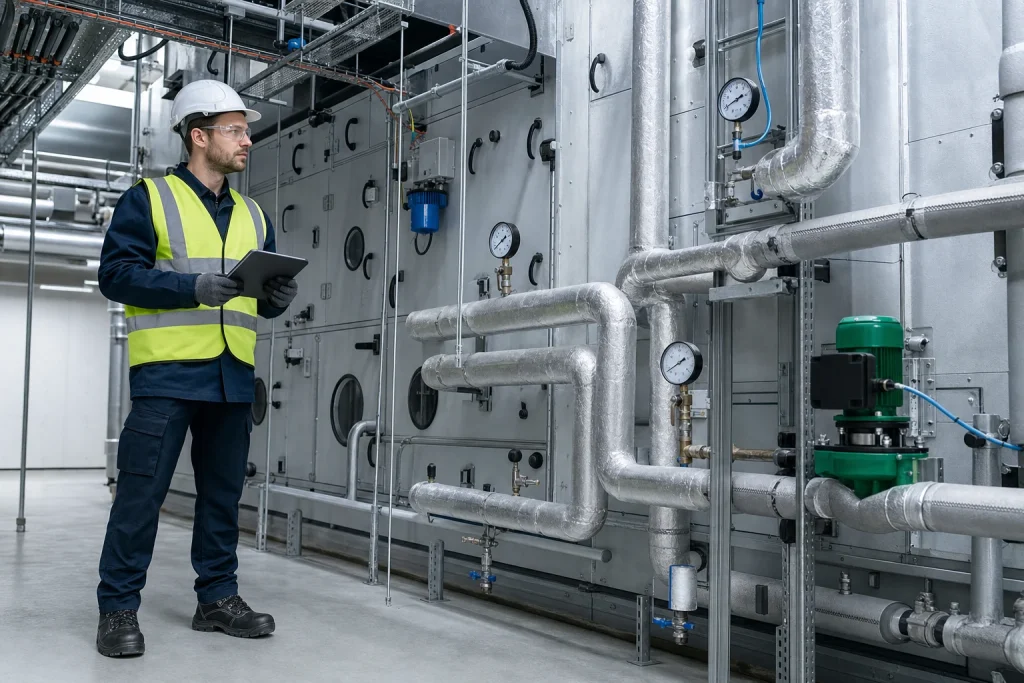
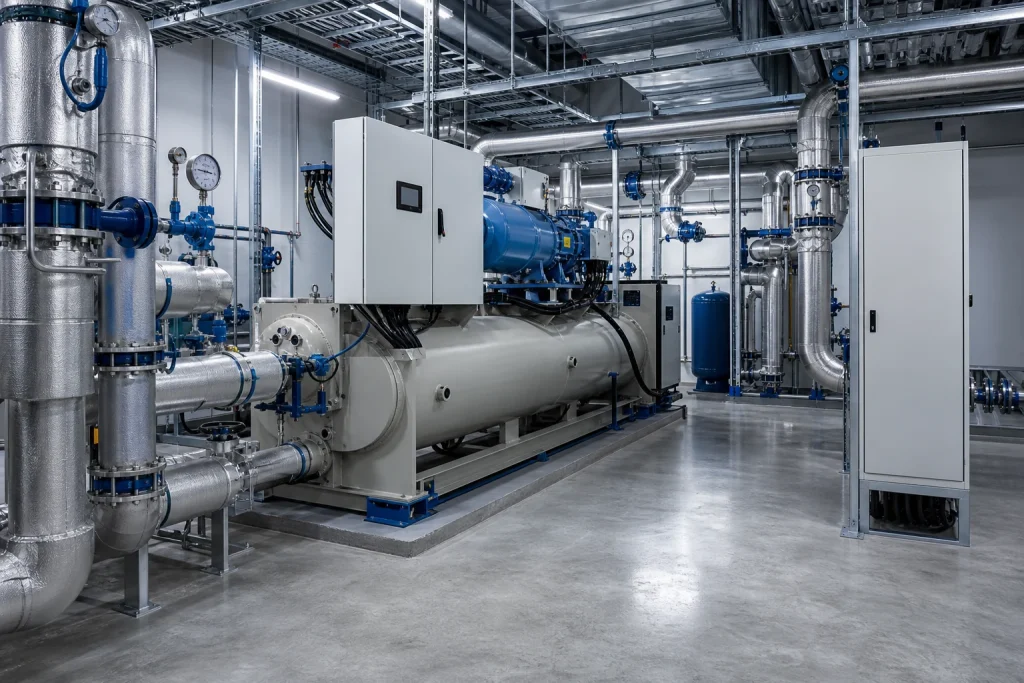
Most chilled processing systems are a mix of plant, distribution, and control. The details vary site to site, but the building blocks are usually:
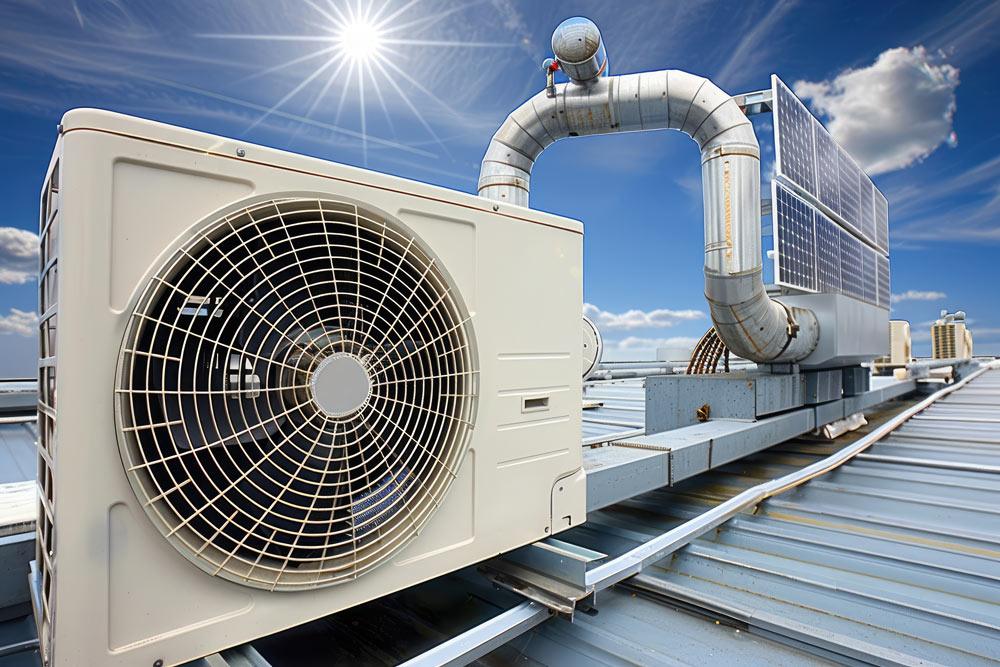
Refrigeration plant and chillers. These provide the cooling power, sized to your process heat load and peak production patterns. Oversizing wastes energy; undersizing leads to drift during busy periods.
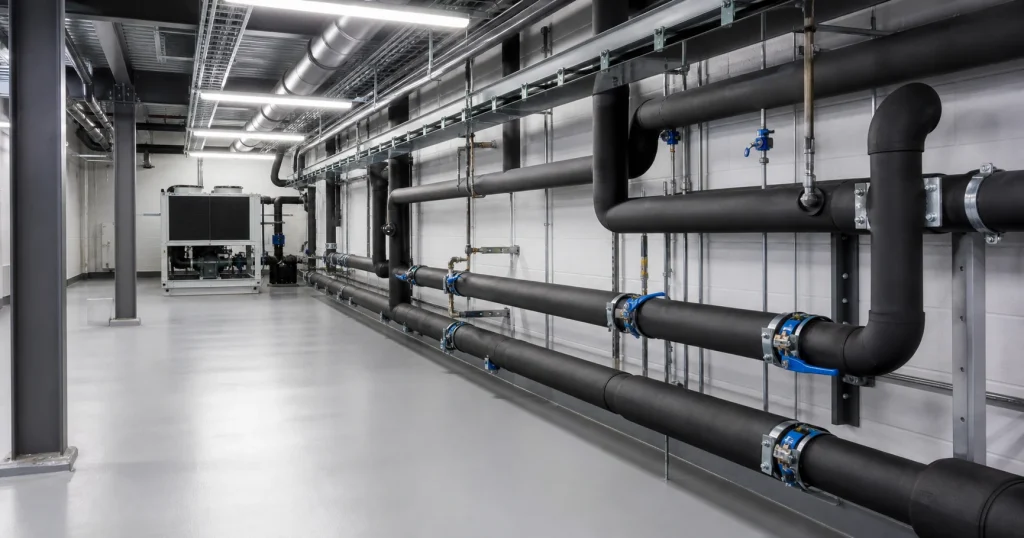
Distribution and heat exchange. Pipework, pumps, glycol loops or other secondary refrigerants move cooling to where it’s needed. Heat exchangers or jacketed systems pull the heat from product quickly and evenly.
Controls and monitoring. Sensors, PLC or BMS integration, alarms, and data logging make sure the system doesn’t just cool — it stays within the range you actually need, with records to prove it.
Insulation and hygienic layout. Good insulation prevents heat gain and reduces condensation risk. In processing spaces, poor layout can create “warm corners” or condensation points that invite hygiene problems.
ColdCare covers design, installation, and long term servicing across these elements, so you’re not juggling separate contractors for plant, controls, and upkeep.
Common chilled processing problems
Even solid systems show warning signs over time. Some of the issues ColdCare is called out for most often include:
Temperature drift during peak production. Often linked to a system that was sized for average load rather than real life peaks, or a plant that’s lost efficiency.
Ice build up or restricted airflow. Coils and evaporators can clog or freeze if cleaning and defrost routines aren’t right.
Condensation in processing areas. Usually a mix of insulation gaps, door habits, and control settings that overshoot.
Short cycling. When equipment switches on and off too frequently, it typically points to control faults, sensor calibration issues, or inefficient staging.
Rising energy use with no clear change in output. Commonly caused by dirty heat exchange surfaces, low refrigerant charge, or worn components.
None of these are “one off” faults in isolation. They’re signals that something in the system is drifting away from its designed performance.
Planning a new system or an upgrade: what matters upfront
Chilled processing works best when it’s properly thought through early. A few things make a real difference:
Accurate load calculations. This should include process heat, ambient conditions, door openings, cleaning cycles, and seasonal variation. It’s surprising how often a system is built on an optimistic average instead.
Zoning. Different stages of production may need different temperatures. Trying to run everything off one setpoint can lead to compromise performance across the board.
Resilience. If one chiller or pump fails, what happens? Critical lines often benefit from redundancy so production doesn’t hinge on a single component.
Room for growth. Even if you’re not expanding right now, allowing spare capacity or a flexible layout saves you rebuilding later.
These are the areas where an experienced survey and design phase really pays off. ColdCare normally starts by understanding the process and the workflow, then builds the chilled processing system around what you actually do each day, not a textbook version of it.
The case for planned maintenance
Chilled processing systems don’t tend to fail dramatically out of nowhere. More often they fade: efficiency drops, temperatures wobble slightly, energy use creeps up, and eventually the site gets a breakdown at the worst possible time.
Planned preventative maintenance (PPM) is meant to stop that slow decline. A structured maintenance plan helps reduce downtime, extend equipment life, and keep temperatures and energy use stable.
For refrigeration plant, typical PPM includes performance checks, coil cleaning, leak detection, sensor calibration, and verification that controls and alarms are behaving properly. It also supports compliance with F gas rules, which require qualified engineers, leak checks for certain systems, and proper refrigerant record keeping.
Given the tighter refrigerant rules coming into force from 2025 onwards, staying on top of servicing and refrigerant choice is only getting more important.
Energy efficiency and sustainability: where the gains usually are
Chilled processing is energy hungry, full stop. In many facilities, refrigeration plant is one of the largest operational costs.
Still, meaningful savings are often hiding in plain sight. A few common improvement routes are:
- Better plant staging so capacity matches demand
- Variable speed drives on fans and pumps
- Heat recovery (for example, capturing waste heat for hot water)
- Improved insulation and door management
- Controls that avoid overcooling or needless cycling
On older or poorly tuned systems, it’s realistic to see double digit efficiency gains once performance is restored and controls are optimised.
ColdCare’s approach here tends to be practical: tune what you have first, then advise on upgrades only where they genuinely pay back.
Choosing the right chilled processing partner
If your chilled processing setup is critical to production, you want support that understands real world manufacturing pressures. It helps to look for a partner who can design and install properly, then stay involved with maintenance and rapid fault response afterwards.
ColdCare fits that “one supplier” model: chilled processing design, installation, servicing, and long term maintenance under one roof.
That continuity matters. The people maintaining the system are the same people who understand how and why it was built in the first place.
Final thought
A stable chilled processing system protects food safety, product quality, and profit margins all at once. If you’re planning a new production line, upgrading an existing one, or dealing with temperature inconsistency and rising running costs, it’s worth getting the system properly assessed before small issues become big ones.
ColdCare can survey your setup, talk through what’s happening on site, and recommend a route forward that suits your process rather than forcing your process to suit the kit.