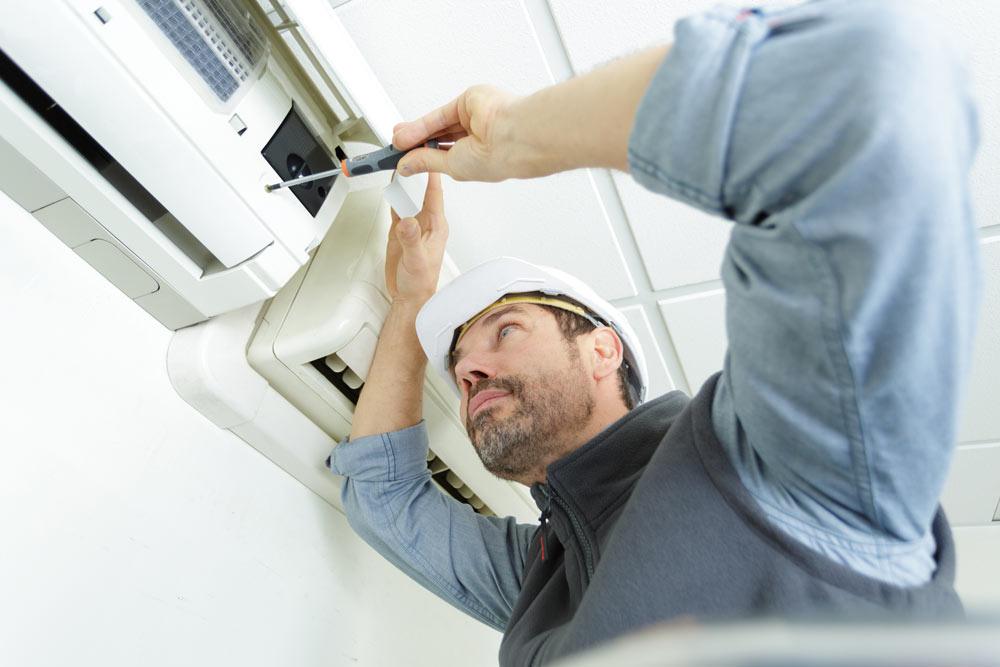
For businesses that rely on air conditioning, keeping the system in top condition is crucial. Whether you operate a retail store, office space, restaurant, or industrial facility, your AC system plays a vital role in maintaining a comfortable environment for employees and customers. However, many businesses overlook routine maintenance, leading to higher energy bills, unexpected breakdowns, and costly repairs.
Regular AC maintenance is not just about preventing problems—it’s a strategic investment that saves your business money in the long run. In this article, we’ll explore how routine servicing improves efficiency, reduces repair costs, extends the lifespan of your system, and helps you avoid unnecessary downtime.
1. Lower Energy Bills Through Improved Efficiency
One of the biggest financial benefits of regular AC maintenance is reduced energy consumption. Over time, dust, dirt, and debris accumulate in your system, making it work harder to cool your space. When components like filters, coils, and fans are clogged or inefficient, the system requires more energy to maintain the desired temperature.
How Maintenance Improves Efficiency:
- Clean Filters: Dirty filters block airflow, forcing the system to work harder and consume more electricity.
- Coil Cleaning: Evaporator and condenser coils lose their efficiency when covered in dirt, leading to increased energy use.
- Proper Refrigerant Levels: Low refrigerant levels make the compressor work overtime, increasing energy costs.
Potential Savings:
Routine maintenance can improve efficiency by 5-15%, resulting in noticeable reductions in energy bills.
2. Reduced Repair Costs and Emergency Breakdowns
An AC system that isn’t properly maintained is more likely to experience sudden breakdowns, which can be costly and disruptive to business operations.
How Maintenance Prevents Expensive Repairs:
- Early Detection of Issues: Regular inspections identify minor issues before they escalate into major problems.
- Lubrication of Moving Parts: Reduces wear and tear, preventing mechanical failures.
- Tightening Electrical Connections: Prevents overheating and electrical component failures.
Cost Savings Impact:
A small investment in regular maintenance can prevent repairs that could cost hundreds or even thousands of pounds in emergency fixes and system downtime.
3. Extended Equipment Lifespan
Replacing a commercial AC system is a significant expense. However, a well-maintained unit can last much longer than a neglected one, delaying the need for costly replacements.
How Maintenance Prolongs AC Lifespan:
- Reduces Wear and Tear: Proper care keeps components functioning efficiently, reducing strain on the system.
- Prevents Overheating: Clean coils and adequate refrigerant levels prevent the system from overworking.
- Minimizes System Stress: Optimized airflow and well-lubricated parts ensure smooth operation.
Potential Savings:
An AC system that receives regular maintenance can last 30-50% longer, reducing the frequency of expensive replacements.
4. Improved Indoor Air Quality (IAQ) and Employee Productivity
A neglected AC system can circulate dust, allergens, and bacteria, leading to poor indoor air quality (IAQ). This can impact the health and productivity of employees, leading to increased sick days and reduced work efficiency.
How Maintenance Improves IAQ:
- Clean Filters Trap Pollutants: Reduces airborne dust, pollen, and allergens.
- Mold Prevention: Regular coil cleaning prevents mold and mildew buildup.
- Proper Ventilation: Ensures a steady flow of fresh air, reducing indoor pollution levels.
Business Impact:
Healthier employees mean fewer sick days and higher productivity, ultimately improving business performance.
5. Compliance with Regulations and Avoiding Fines
Many businesses must comply with energy efficiency and environmental regulations regarding air conditioning systems. Failure to maintain your AC system can lead to fines, penalties, or even operational restrictions.
Regulatory Compliance Benefits:
- Meets Energy Efficiency Standards: Ensures compliance with local and industry regulations.
- Prevents Refrigerant Leaks: Avoids environmental violations related to refrigerant emissions.
- Ensures Workplace Safety: Reduces the risk of fire hazards due to faulty electrical connections.
Avoiding Unnecessary Costs:
Regular maintenance ensures compliance, helping you avoid unexpected fines and legal complications.
6. Reduced Downtime and Business Disruptions
Unexpected AC breakdowns can disrupt business operations, causing discomfort for employees and customers. This can lead to lost sales, unhappy clients, and a negative business reputation.
How Maintenance Prevents Disruptions:
- Scheduled Servicing Reduces Unexpected Failures: Planned maintenance ensures the system operates smoothly.
- Minimizes Business Interruptions: Avoids sudden shutdowns that could impact productivity and customer experience.
- Keeps Customers and Employees Comfortable: A well-maintained AC system ensures a pleasant indoor environment.
Financial Impact:
Avoiding downtime and maintaining a comfortable environment contributes to steady business operations and customer retention.
7. Smart Thermostat Optimization and Energy Management
Many modern commercial AC systems come with smart thermostats and automation features. However, without proper maintenance, these technologies cannot function optimally.
How Maintenance Optimizes Smart AC Systems:
- Ensures Accurate Thermostat Readings: Prevents overcooling or undercooling, reducing energy waste.
- Optimizes Automation Settings: Keeps the system functioning efficiently based on occupancy and temperature needs.
- Prevents Sensor Failures: Dirty or malfunctioning sensors can cause inefficient cooling cycles.
Cost Savings Potential:
Smart energy management combined with regular maintenance can reduce cooling costs by 10-30%.
Conclusion
Regular AC maintenance is one of the most effective ways to save money on business operating costs. By keeping your system clean, efficient, and properly functioning, you can lower energy bills, avoid expensive repairs, extend the lifespan of your equipment, and maintain a healthy indoor environment.
Investing in scheduled maintenance is not just a precaution—it’s a cost-saving strategy that delivers long-term financial benefits. If you want to maximize your AC system’s efficiency and savings, consider setting up a professional maintenance plan today.