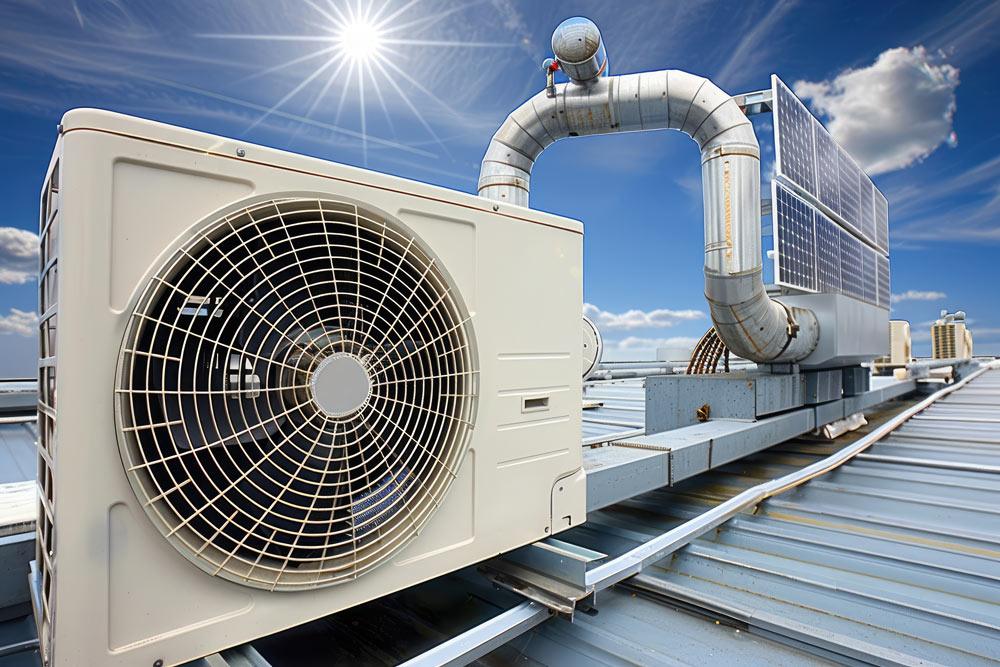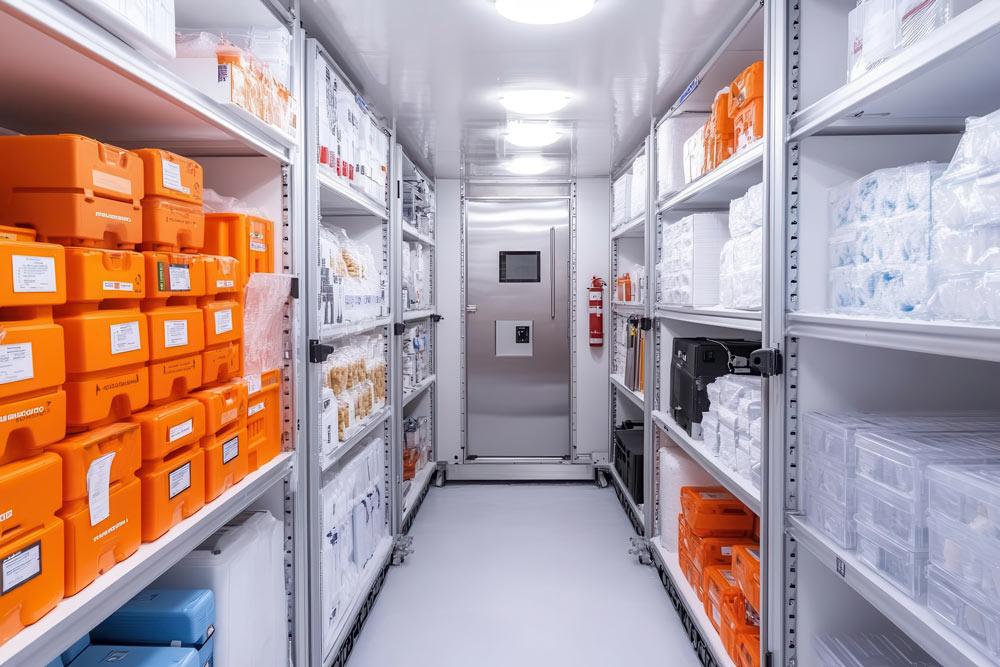
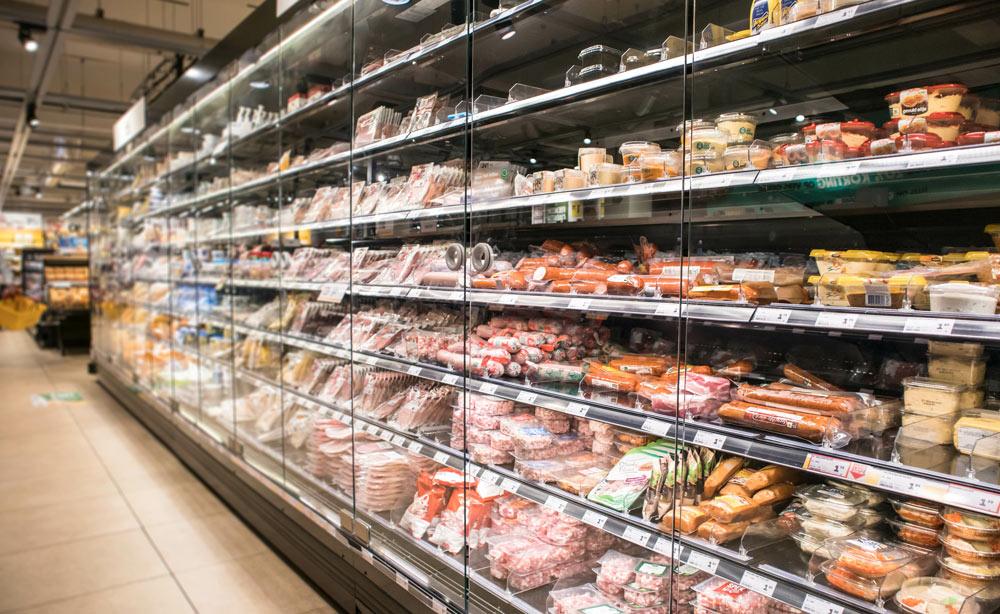
Reliable cooling systems sit quietly in the background of most restaurant kitchens, yet they are doing a job that is far more critical than many realise.
It may seem like a given that fridges and freezers will simply work, but even a short lapse in performance can start to affect the safety of the food being served. For restaurant owners, this is not just a technical concern; it is directly tied to customer wellbeing.
There is also a wider impact that tends to get overlooked. Food safety issues can quickly damage a restaurant’s reputation, especially in an environment where reviews and word of mouth carry real weight.
A dependable cooling setup helps reduce risk, but it also supports confidence in the quality and safety of every dish leaving the kitchen.
Why Temperature Control Is Critical in Food Safety
Temperature plays a central role in how bacteria behave in food. When chilled items rise above safe levels, harmful bacteria can begin to multiply at a pace that is not always visible.
In the UK, guidance generally suggests keeping chilled food at or below 5°C, while frozen goods should remain at -18°C or lower to stay safe.
Even small fluctuations can create problems if they occur repeatedly or go unnoticed. It is not always about a complete failure, either, as a unit that struggles to maintain consistent temperatures may still appear to be working.
Over time, this inconsistency can increase the risk of contamination and reduce the overall quality of ingredients.
The Role of Commercial Refrigeration in Restaurants
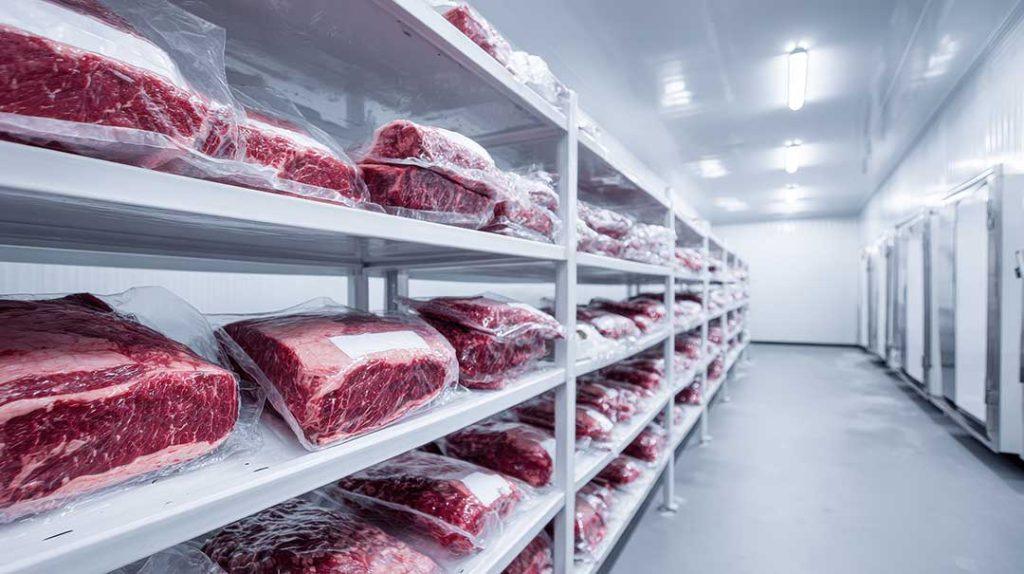
Commercial refrigeration systems are at the centre of day to day kitchen operations. From storing fresh produce to preserving prepared ingredients, these systems help ensure that everything remains safe to use throughout service.
Without reliable cooling, kitchens would struggle to maintain both quality and efficiency.
There is also a practical side that often becomes clear during busy periods. When equipment performs as expected, staff can focus on service rather than worrying about storage conditions.
A well maintained system is likely to reduce food waste and help maintain consistency across dishes, which is something most restaurants aim to achieve.
What Happens When Cooling Systems Fail
When a cooling system fails, the effects can escalate quickly. Food that has been stored overnight may no longer be safe to use, leading to immediate waste and unexpected costs.
In some cases, the issue is not discovered until the next day, by which point large quantities of stock may already be compromised.
There is also the risk to customer health, which is arguably the most serious outcome.
Serving food that has not been stored correctly can lead to foodborne illness, and that brings both legal and reputational consequences.
What might start as a minor technical issue can quickly turn into a much larger problem if not addressed promptly.
UK Food Safety Regulations and Compliance
Restaurants in the UK are expected to follow strict food safety guidelines, with oversight from organisations such as the Food Standards Agency.
These guidelines place responsibility on business owners to ensure that food is stored at safe temperatures and that systems are in place to monitor and record conditions.
Reliable cooling systems make this process far more manageable. When equipment is functioning properly, it becomes easier to maintain accurate records and demonstrate compliance during inspections.
On the other hand, inconsistent systems can make it difficult to meet these standards, increasing the likelihood of issues during audits.
The Importance of Regular Maintenance and Servicing
Regular maintenance is one of the simplest ways to avoid unexpected breakdowns. By scheduling routine servicing, small issues can often be identified before they develop into more serious faults.
This kind of proactive approach tends to reduce downtime and keep systems running more efficiently.
There is also a cost consideration that may not be immediately obvious.
Well maintained equipment often uses less energy and lasts longer, which can help control operating expenses over time. In contrast, neglecting maintenance can lead to more frequent repairs and higher long term costs.
Signs Your Refrigeration System May Be Unreliable
There are usually early warning signs when a refrigeration system starts to become unreliable.
Temperature fluctuations are one of the most common indicators, along with unusual noises or excessive frost buildup inside units.
These signs may seem minor at first, but they often point to underlying issues.
Another detail that sometimes gets overlooked is a sudden increase in energy bills. If a system is working harder than it should to maintain temperature, it will typically use more electricity.
Spotting these changes early can make a real difference, as it allows problems to be addressed before they lead to failure.
Best Practices for Maintaining Food Safety Through Cooling
Maintaining food safety through cooling is not just about the equipment itself; it also depends on how it is used.
Simple habits such as checking temperatures daily and avoiding overloading units can help keep systems working effectively. Ensuring proper airflow around stored items is another factor that can influence performance.
Staff awareness is equally important. When everyone understands how to use refrigeration equipment correctly, the risk of mistakes is reduced.
Training staff to recognise early warning signs and respond appropriately can help prevent small issues from becoming more serious.
Choosing the Right Cooling System for Your Restaurant
Selecting the right cooling system involves more than just picking a standard unit. Factors such as the size of the kitchen, the type of food being prepared, and the volume of service all play a role.
A system that works well in one restaurant may not be suitable for another.
It may be worth considering long term reliability as part of the decision making process. Investing in a system that is well suited to your needs can reduce the likelihood of problems later on.
While the initial cost may be higher, it often proves more economical when viewed over time.
Conclusion
Reliable cooling systems are a key part of maintaining food safety in any restaurant environment. They help control temperature, reduce the risk of contamination, and support compliance with UK regulations.
Without dependable equipment, even the most well run kitchen may struggle to maintain consistent standards.
There is also a broader perspective to consider. Protecting food safety is closely linked to protecting your reputation and the trust of your customers.
A reliable cooling system is not just a convenience; it is a fundamental part of running a safe and successful restaurant.