
Managing cooling across several premises is rarely just a question of booking engineers when something breaks. Each site may have different equipment, operating hours, access rules, temperature needs and business risks.
A good support plan gives every site the same standard of care while still allowing for local differences. It helps facilities teams, operations managers and commercial buyers keep refrigeration, air conditioning, chillers and glycol systems dependable without creating confusion.
Start with a clear view of every cooling asset

The first step is to know exactly what you are responsible for. That sounds simple, but multiple premises often grow at different speeds. One site may have new air conditioning, another may rely on older cellar cooling, while another may have process cooling, cold rooms, condensers, display refrigeration and water or glycol chillers all under one roof.
Create a central asset register that lists each system, its location within the premises, model details, refrigerant type where known, age, condition, service history and criticality. It should also show which systems protect stock, support production, serve customer areas or keep working conditions comfortable for staff.
This register becomes the practical foundation for consistent support. It helps engineers arrive prepared, helps decision makers compare sites fairly and makes it easier to plan budgets. It also reduces the risk of a single site being overlooked simply because its equipment is less visible or less frequently discussed.
If your estate includes refrigeration and air conditioning in different types of premises, it is worth reviewing how Cold Care supports businesses across multiple service areas so the support model matches the spread of your operations.
Set one service standard, then adapt it to each site

Consistency does not mean every premises receives exactly the same visit pattern. It means every premises is managed against the same expectations. Those expectations should cover response priorities, maintenance quality, reporting, communication, compliance awareness and follow up actions.
A useful way to structure this is to define a core standard first. For example, all sites should have planned maintenance, documented findings, clear recommendations, safe access arrangements and agreed escalation routes. From there, the frequency and detail of the work can be adjusted based on risk.
A food preparation site with critical refrigeration may need closer attention than an office with comfort cooling. A production area using chilled water or glycol may need checks around pumps, strainers, flow, controls and heat rejection. A retail back of house area may need a service approach that reduces disruption during trading hours.
The aim is to avoid a two tier system where some premises receive thorough attention and others only receive reactive help. When the standard is written down, shared and reviewed, everyone knows what good support looks like.
Agree priorities before faults happen
When several sites call for support at the same time, priority rules matter. Without them, decisions can become emotional or inconsistent. A failed cold room, a leaking unit above a working area and a comfort cooling fault may all be urgent to the person reporting them, but they do not carry the same business risk.
Build a simple priority framework. Critical faults might include loss of temperature control for stock, production downtime, water leaks affecting safety, or complete failure of systems that protect essential operations. Important faults might include reduced cooling performance, recurring alarms, poor airflow or noisy equipment. Lower priority items might include non urgent adjustments, minor comfort issues or improvement recommendations.
This does not make any site less important. It gives your team a fair and transparent way to decide what needs attention first. It also helps engineers understand the business impact before they attend.
For air conditioning, early symptoms should never be ignored. If teams need a practical checklist, guidance on signs commercial air conditioning needs repair can help site managers report issues before they become more disruptive.
Use planned maintenance to keep standards aligned

Reactive callouts are part of any cooling support arrangement, but planned maintenance is what keeps standards consistent. It gives each premises regular attention, helps spot wear early and keeps records current.
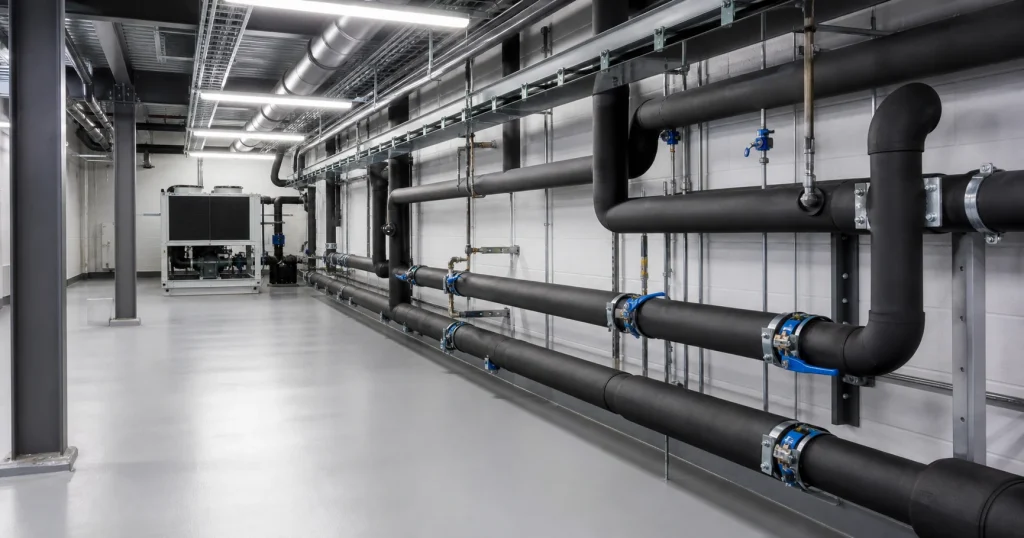
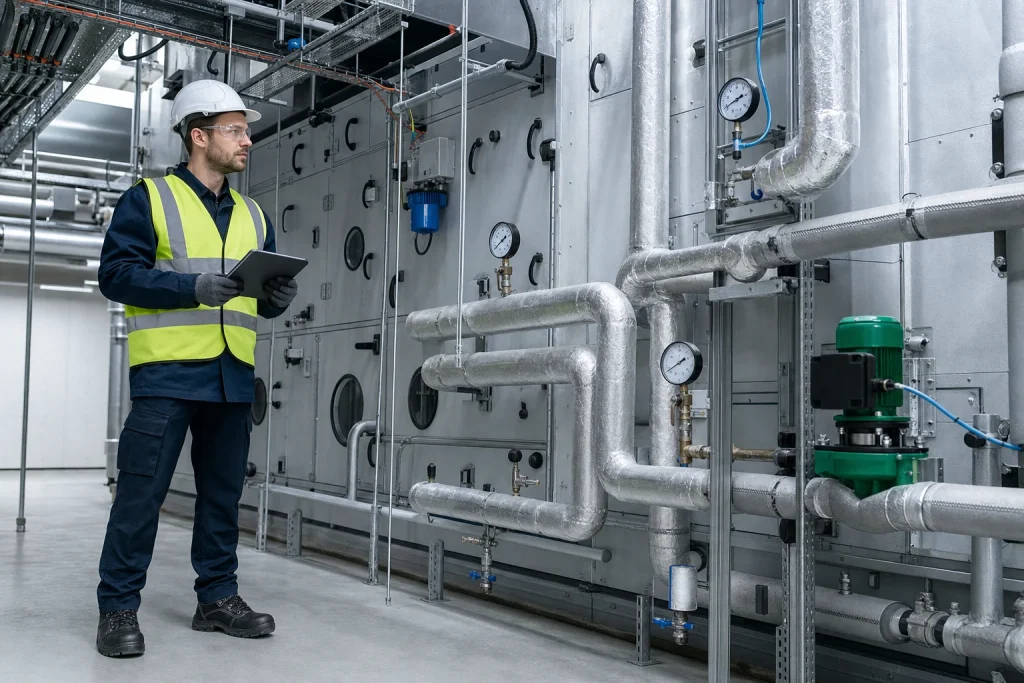
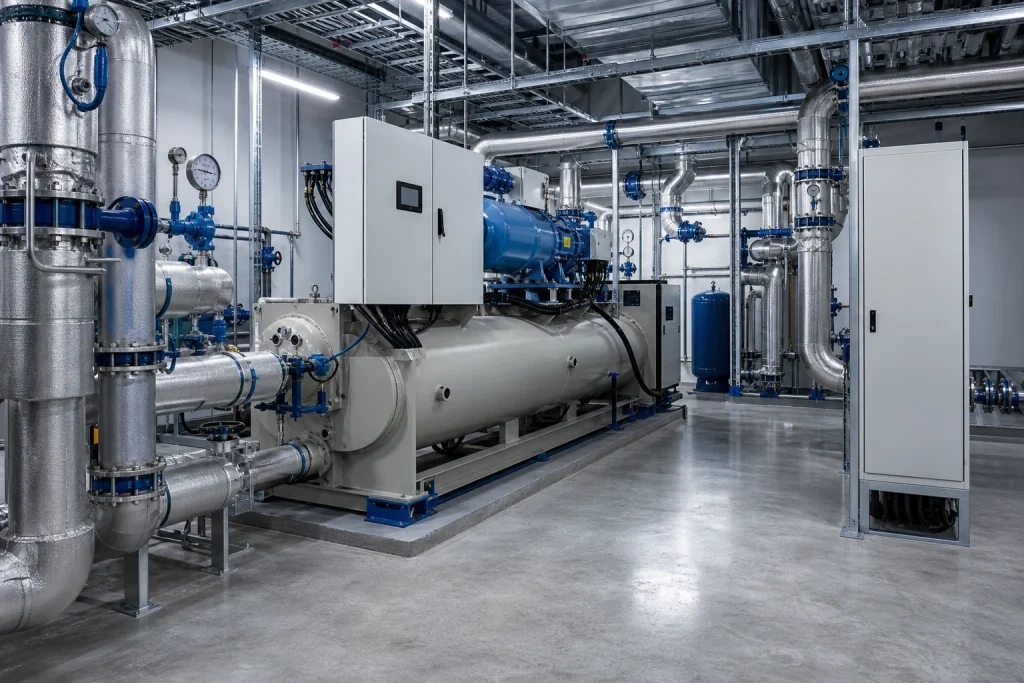
For refrigeration, maintenance may include checks on evaporators, condensers, fans, controls, drains, pressures, electrical components, insulation condition and general system performance. For air conditioning, it may include filter cleaning or replacement, coil checks, airflow checks, condensate checks and control testing. For chilled water or glycol systems, the plan may also include concentration checks, pump condition, strainers, valves, sensors and heat exchanger performance.
The exact tasks should suit the equipment, but the reporting style should be consistent. A buyer should be able to compare one site with another without decoding different formats or assumptions. Reports should make clear what was checked, what was found, what was corrected during the visit and what needs approval or future attention.
Planned maintenance also supports energy control. Poor heat rejection, blocked coils, incorrect set points and tired components can all increase running effort. For businesses reviewing operating costs, advice on energy efficient refrigeration can sit neatly alongside a maintenance review.
Make communication simple for every site
Multiple business sites often involve multiple people. There may be a central facilities manager, local site leads, finance teams, contractors, landlords and operations managers. Cooling support works best when everyone knows how to raise a fault, who can approve work and what information should be provided.
A clear reporting route should ask for the site name, equipment affected, fault symptoms, temperature readings if relevant, alarm messages, access restrictions and photos only where useful for diagnosis. The aim is not to burden staff. It is to avoid vague reports such as the fridge is not working or the air conditioning is playing up.
Approval routes should be just as clear. Some works may be pre authorised up to an agreed level, while larger repairs or replacement recommendations may need sign off. This prevents avoidable delays and gives suppliers the confidence to act quickly when the situation is critical.
It also helps to have one central record of open issues. That record should show current faults, planned visits, recommendations, quotations, completed actions and recurring problems. Over time, it becomes a useful management tool rather than a loose collection of emails.
Review performance across the estate, not just site by site

Once the support plan is running, review it as a whole. Individual service reports are useful, but estate level patterns are often more revealing. One site may have repeated condenser issues, another may show rising repair frequency, while another may have comfort complaints caused by controls rather than equipment failure.
Look for recurring faults, repeat callouts, parts delays, access problems, temperature excursions, energy concerns and systems nearing the end of practical service life. These patterns help you decide where to invest, where to adjust maintenance frequency and where staff may need clearer reporting guidance.
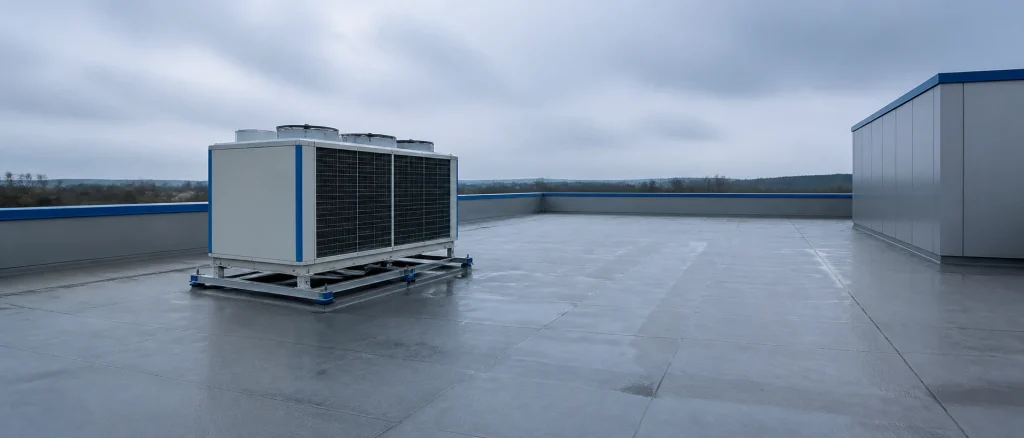
Condenser condition and placement are good examples. Restricted airflow, heat build up or poor access can affect reliability and efficiency across more than one premises. If this is a recurring concern, guidance on how condenser placement affects commercial refrigeration may help frame the next review.
A periodic review also keeps the supplier relationship focused. Instead of only discussing the latest fault, you can discuss risk, improvement priorities and future needs. That is where multiple site cooling support becomes more strategic and more useful.
- Build and maintain one asset register covering refrigeration, air conditioning, chillers and water or glycol systems.
- Use one clear service standard across all premises, with maintenance frequency adjusted by risk.
- Agree fault priorities before problems happen so urgent issues are handled consistently.
- Keep reporting, approvals and service records simple, central and easy to compare.
- Review patterns across all sites to spot recurring problems and plan future investment.
Frequently asked questions
How often should cooling systems be serviced across multiple sites?
The right frequency depends on the equipment, usage, operating environment and business risk. Critical refrigeration, process cooling and heavily used air conditioning usually need closer attention than lower risk comfort cooling. A supplier should help set a schedule for each asset while keeping the overall service standard consistent.
What information should each site provide when reporting a fault?
Ask for the site name, equipment affected, symptoms, any alarm messages, current temperatures if relevant, when the issue started and whether access is restricted. Clear fault information helps engineers prepare properly and can speed up diagnosis.
Should every site have the same maintenance plan?
Every site should follow the same quality standard, but not every site needs the same maintenance frequency or task list. A site with critical refrigeration or chilled processing may need a more detailed plan than a premises with a small number of comfort cooling units.
How can we tell when a cooling system should be replaced rather than repaired?
Look at age, condition, repair frequency, parts availability, efficiency, reliability and the business impact of failure. One expensive repair does not always mean replacement is best, but repeated faults and poor performance should trigger a wider review.
Plan cooling support with confidence
If you manage refrigeration, air conditioning or chilled processing systems across several premises, Cold Care can help you bring the support into one clear, practical plan.